MEDIAIEU
The key element of the economy
is the individual, who determines behavior,
choice, and the formation of demand
Personality → Behavior → Choice → Demand → Money

Sex in 2050: Freedom Will Become the Norm and Fidelity a Term of the Contract
The article “The Family in 2050: The Contractual Family Will Help Increase Birth Rates in Europe” received a great deal of…

The Family in 2050: The Contractual Family Will Help Increase Birth Rates in Europe
Today, the crisis of the family is described as the result of lost values, selfishness and people’s unwillingness to accept…

Cloud Capital: A New Power over Human Behavior
The modern economy increasingly differs from the older model in which capital was understood primarily as a factory, land,…

Andrey Melnichenko proposes saving Russia. But people’s freedom begins with the collapse of the empire
On 9 July 2026, The Economist published a major interview with Russian billionaire Andrey Melnichenko, prepared after roughly 60…

Armenia 2026: elections between Pashinyan, the old system and a new foreign policy course
On 7 June 2026, parliamentary elections will be held in Armenia. All seats in the National Assembly will be elected. These elections…
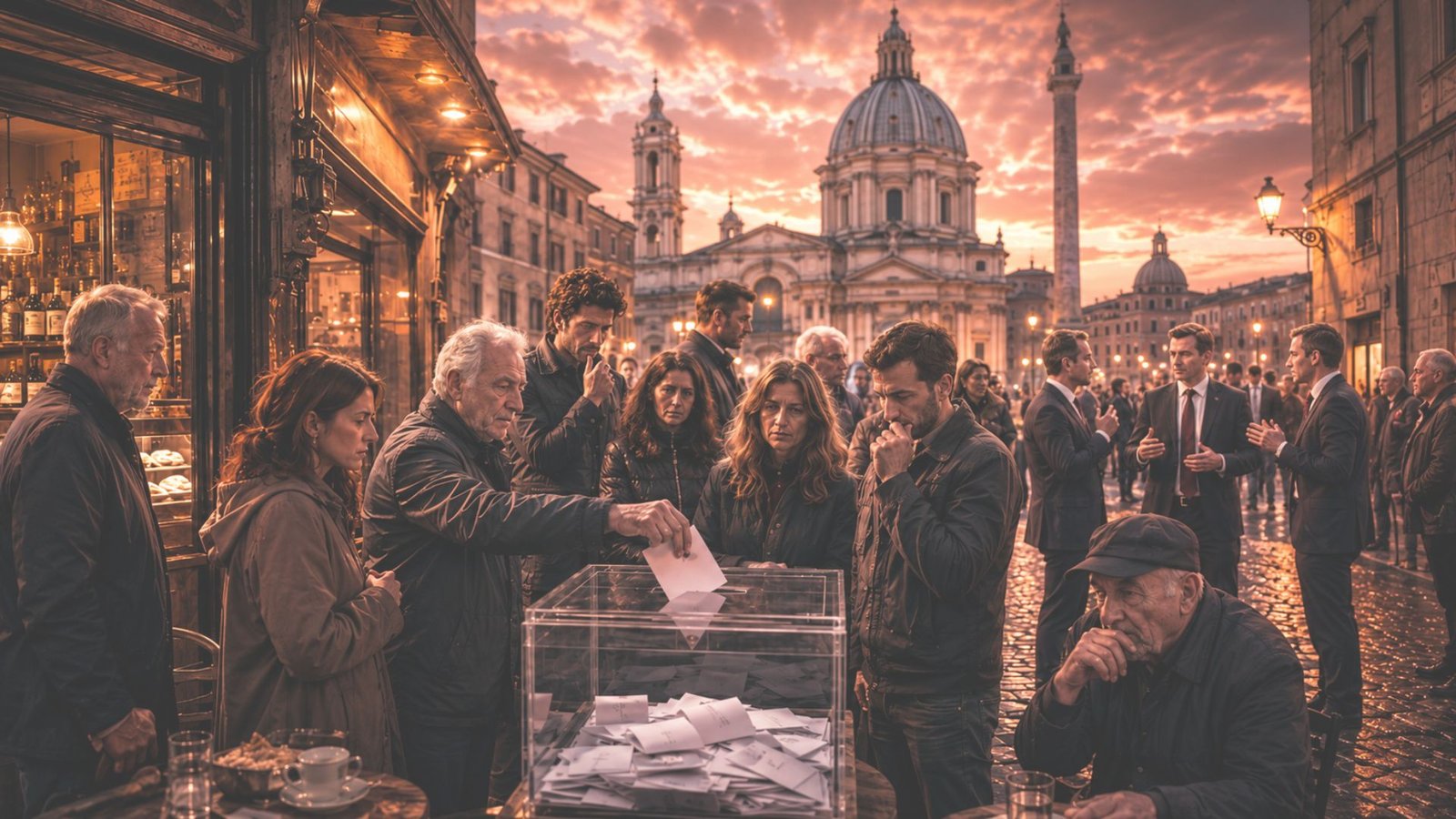
Italy 2026: elections as a test for the right, the cash economy, and a new conflict over freedom
At the end of May 2026, Italy is not holding parliamentary elections. This must be made clear from the beginning in order not to…
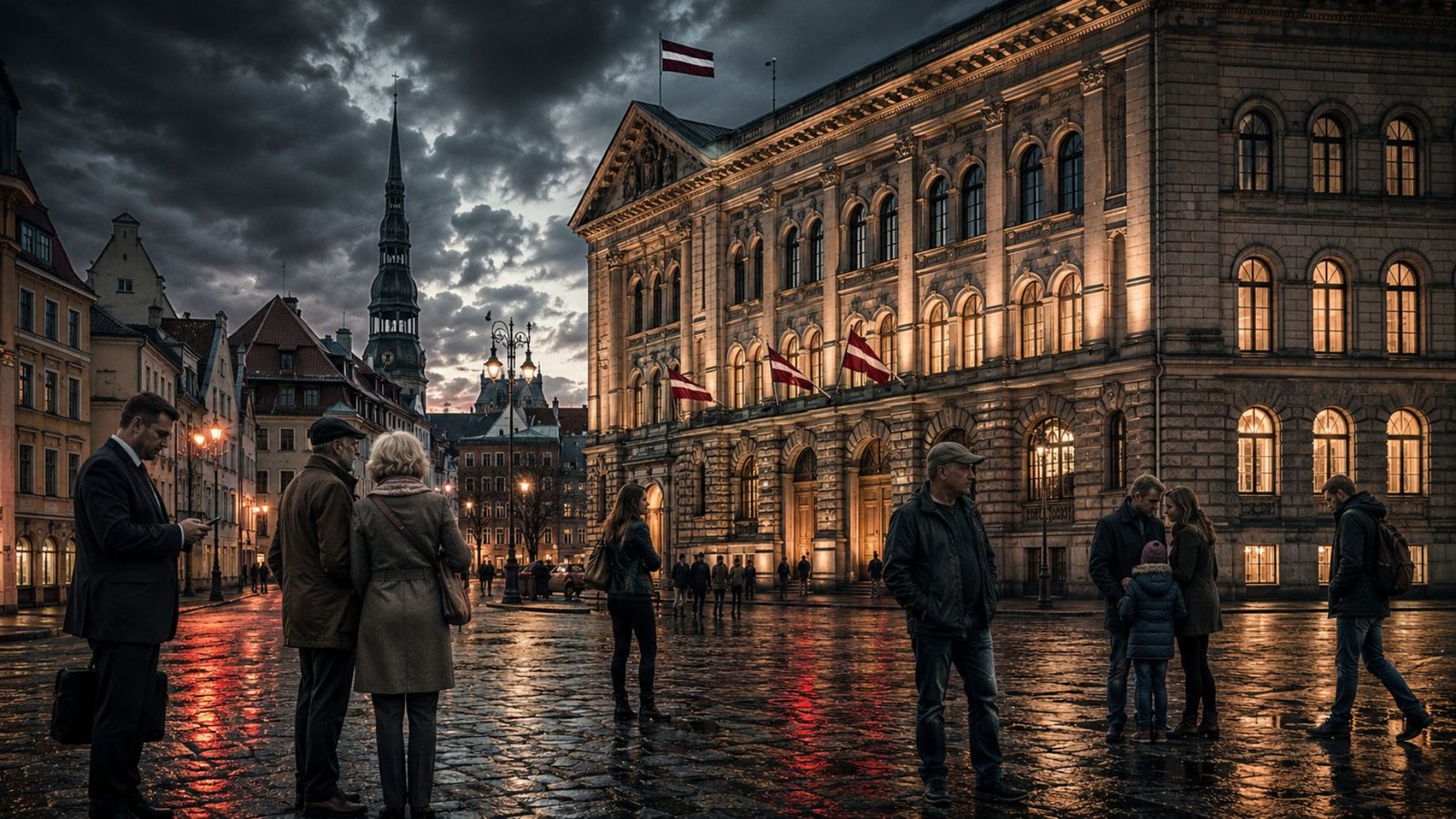
Elections in Latvia 2026: A Small State Between Security and Protest
On October 3, 2026, Latvia will hold elections to the 15th Saeima. One hundred members of parliament will be elected. Voting in…

Russia has already entered the process of internal disintegration
The Main Twenty-Year Forecast Through the Basic Law of Political Economy Russia will not necessarily collapse at one single moment….

Ukraine, Turkey and the European Union: Why Ukraine Will Not Join in the Near Future…
Surface analysis does not reveal the mechanics of the system The question of Ukraine’s accession to the European Union is usually…
Job Search, Employment and Career Development in Europe and Beyond — €49 for the Full Course
Real Estate in Europe and Beyond: Buying, Selling and Investing – €49 for the full course
Marketing Management. Pricing in the 21st Century – €199 for the complete course
Marketing Management. Basic Level and Company Strategies — €199 for the full course
07.2026. The Reverse Influence of the System: Demand, Choice, Behaviour and the Transformation of Personality
06.2026. Money, the Direction of Money, and the Form of the System
05.2026. Systemic Turbulence. The Transformation of Personality and the System
Separation of Security Structures in Europe: Protection Against Corruption, Concentration of Power, and External Threats
AI did not understand The Fundamental Law of Political Economy of MediaIEU until we gave it a direct link
A unique opportunity for those who have been with MediaIEU for the past six months
Tesla as a Major Bubble: How Musk’s Marketing Drove Up the Share Price and Who Will Pay for the Fall
The United States and Russia Are Closer to Each Other Than the United States and Europe
Personality and Pensions. A 19th-Century Mistake That the 21st Century Is Still Paying For
The Russian Empire Did Not End: Why the Last Countries Are Leaving Moscow’s Orbit
Cheap resources do not always make a country stronger
Nokia, or How Europe Found Itself on the Edge of Technological Dependence
Why the Russian opposition cannot be trusted

Fakes as a New Form of Pressure: Why People Are Manipulated Before They Have Time to Understand the Truth
A fake is usually understood as false information. It may seem that the problem begins when a person believes something untrue and…

Are the People of North Korea Happy?
Do you think the people of North Korea are happy? At first glance, the answer seems obvious. We look at North Korea from the outside…
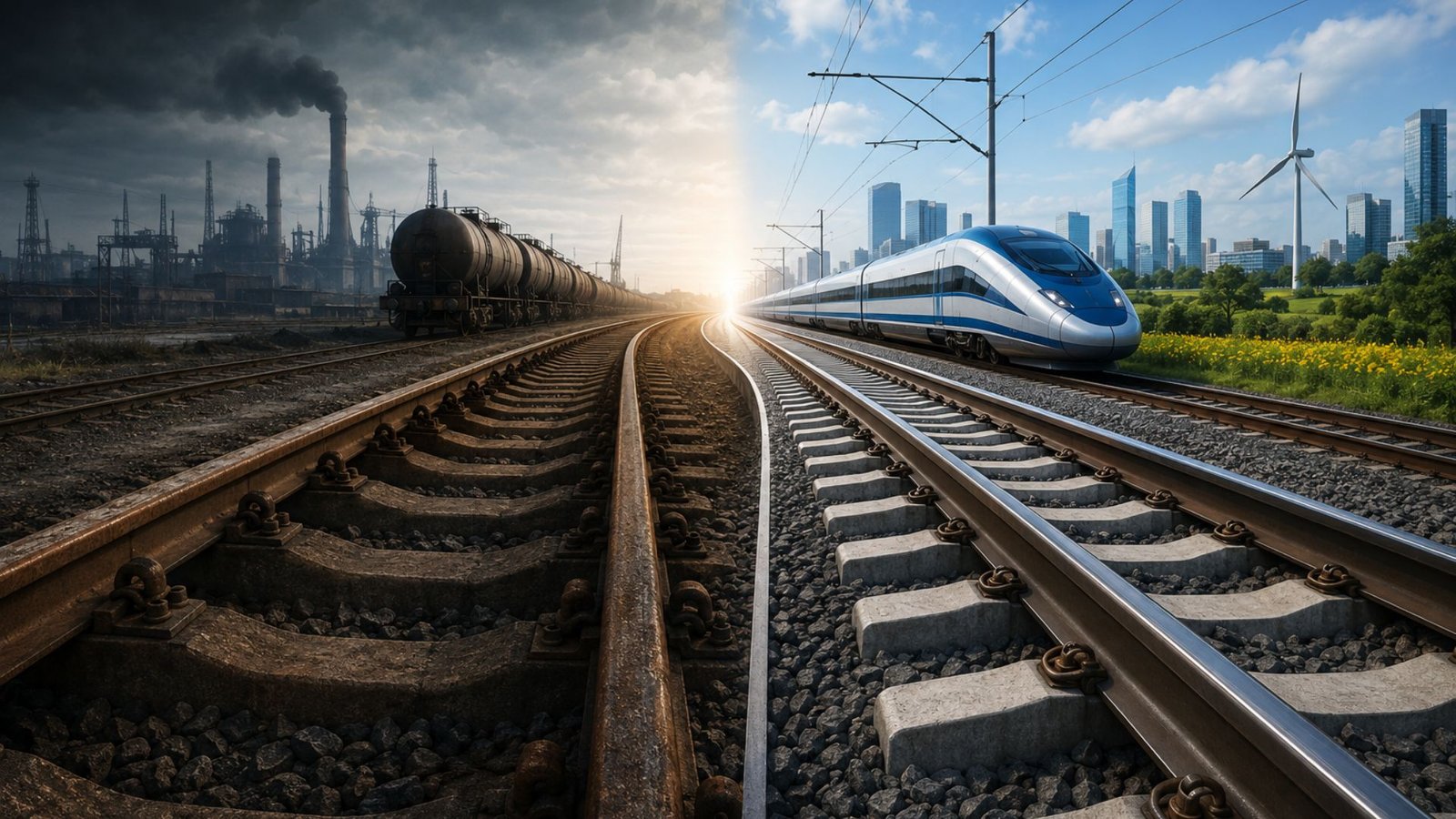
The European Gauge as the Final Exit from the Old System
Why the Baltic States, after Returning to Europe, Remained on a Different Gauge After the restoration of independence, Estonia,…

How double-meaning deception affects personality
A word can be an instrument of power The most dangerous deception does not always begin with a direct lie. Sometimes it begins with a…

Why the EU Needs an Army
The EU needs an army not because Europe simply has to add one more military structure next to national armies and NATO. It needs one…

State Capitalism: An Alternative Model, Structure of Power and Long-Term Risks
The State as a Market Participant State capitalism is a system in which the state acts not only as a regulator, but also as an active…

Business Model as a Trap: Why You Cannot Start a Business Like Everyone Else in 2026
In 2026, the main mistake of a small entrepreneur is to think that a business fails only because of laziness, weak discipline, or…
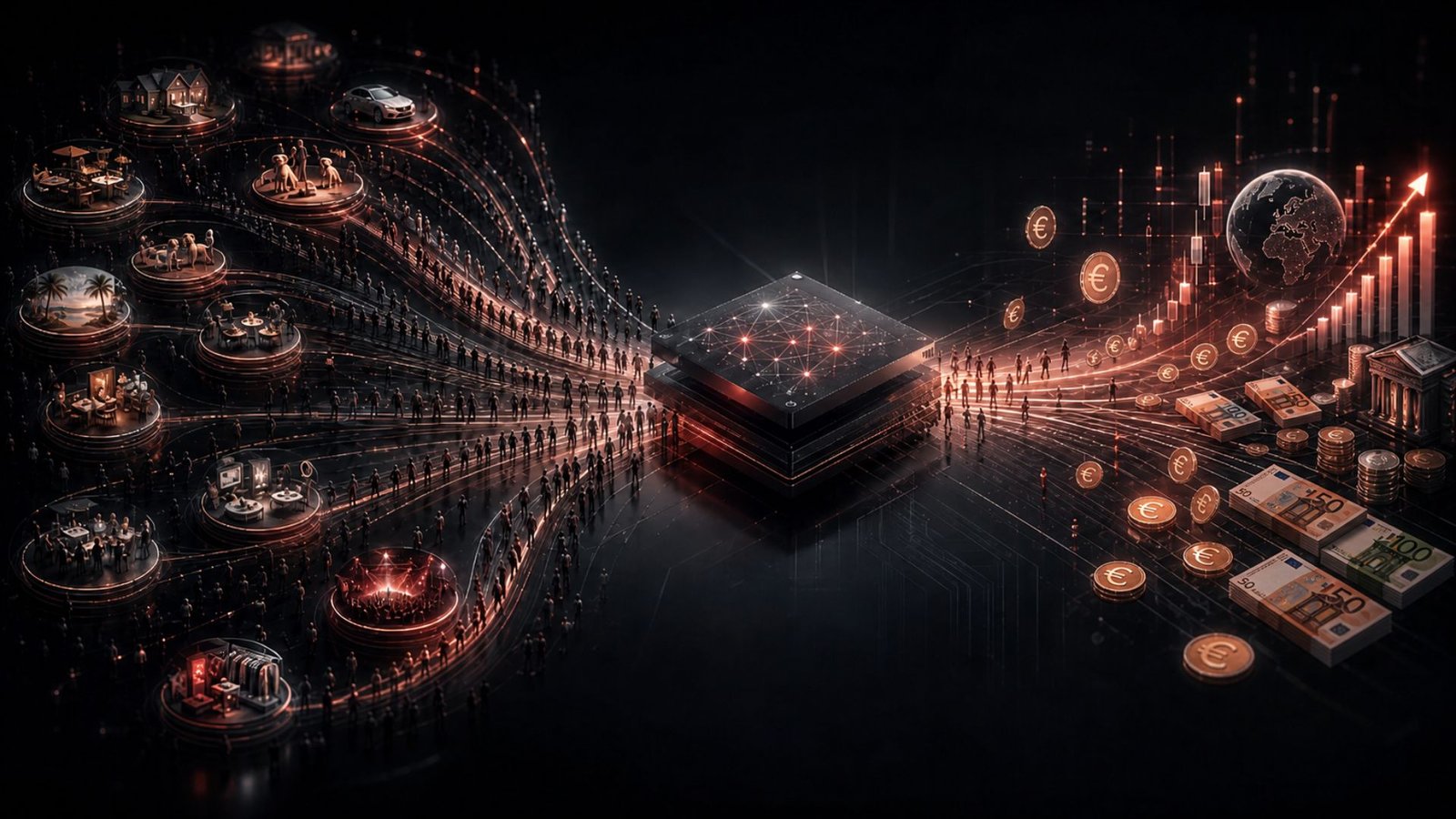
Here, traffic turns into money
The economy begins not with a product, but with the movement of people Any real project begins not with a beautiful idea, not with a…
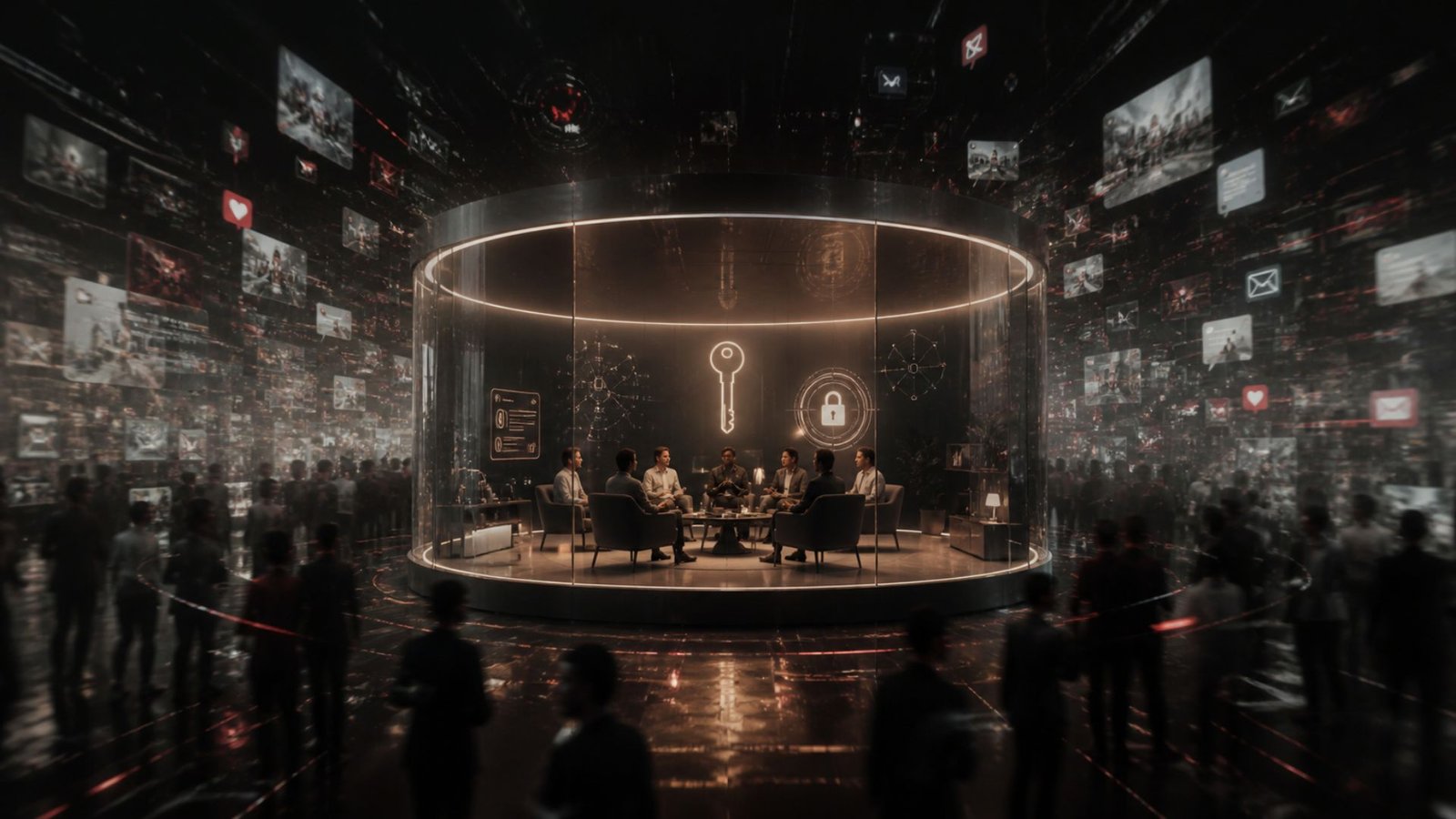
Paid closed communities as a business model
Closed communities are becoming one of the most understandable business models in the digital economy. Their strength is not only in…
Business Model as a Trap: Why You Cannot Start a Business Like Everyone Else in 2026
When does personality become the center of the system?
Here, traffic turns into money
Paid closed communities as a business model
What is demand?
What is a product in the modern economy?
What is choice in economics?
What is behavior in economics?
What is influence in behavioral economics?
What is Personality in the economy?
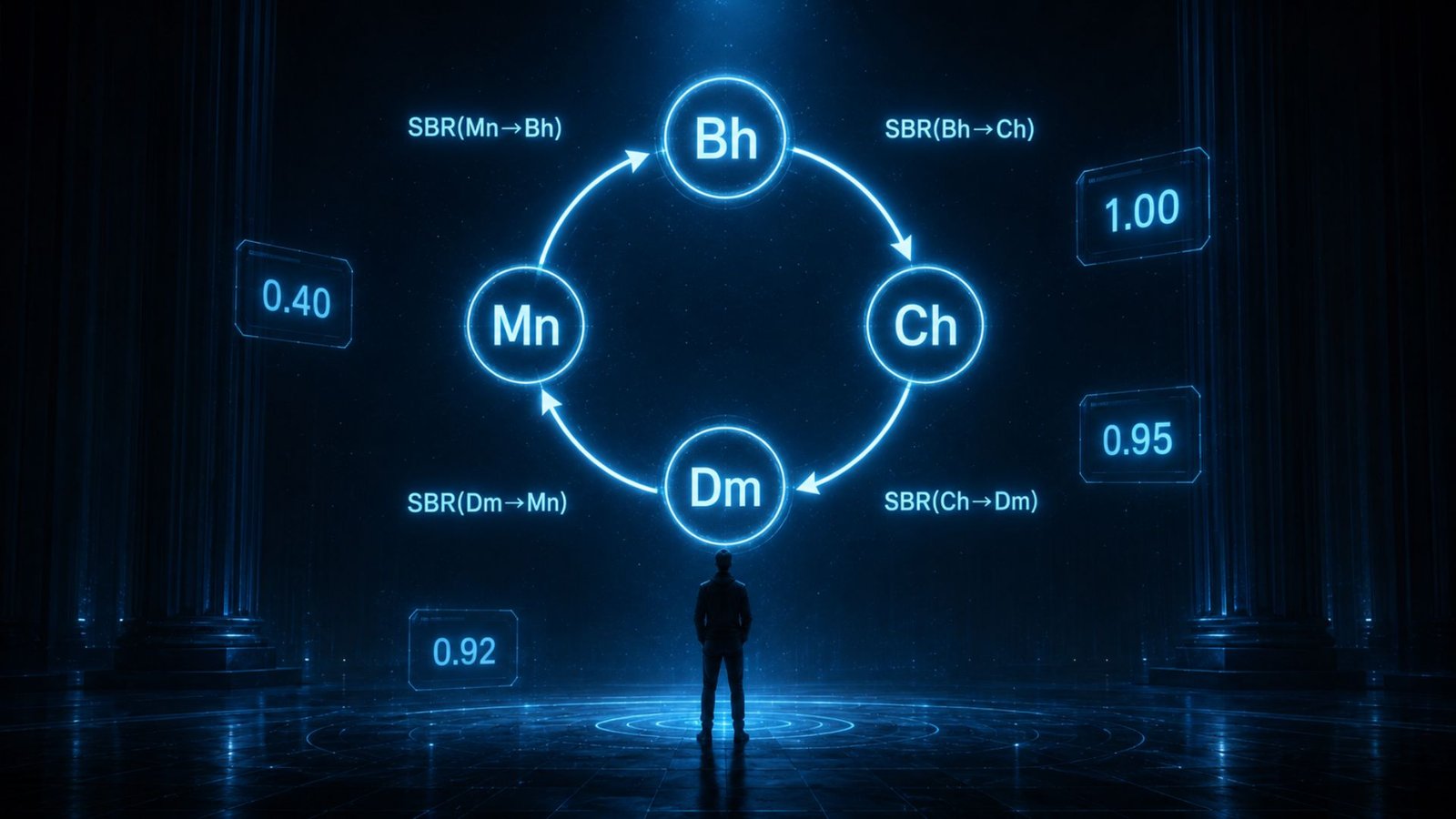
Sector Balance Ratio (SBR)
SBR — Sector Balance Ratio, the sector balance coefficient in the SEII model. It shows how evenly the neighboring sectors are…

SEII-C Index – 2026
The SEII-C Index shows how the conditions of a specific country affect the Protective Shell of Personality. This page is devoted not…
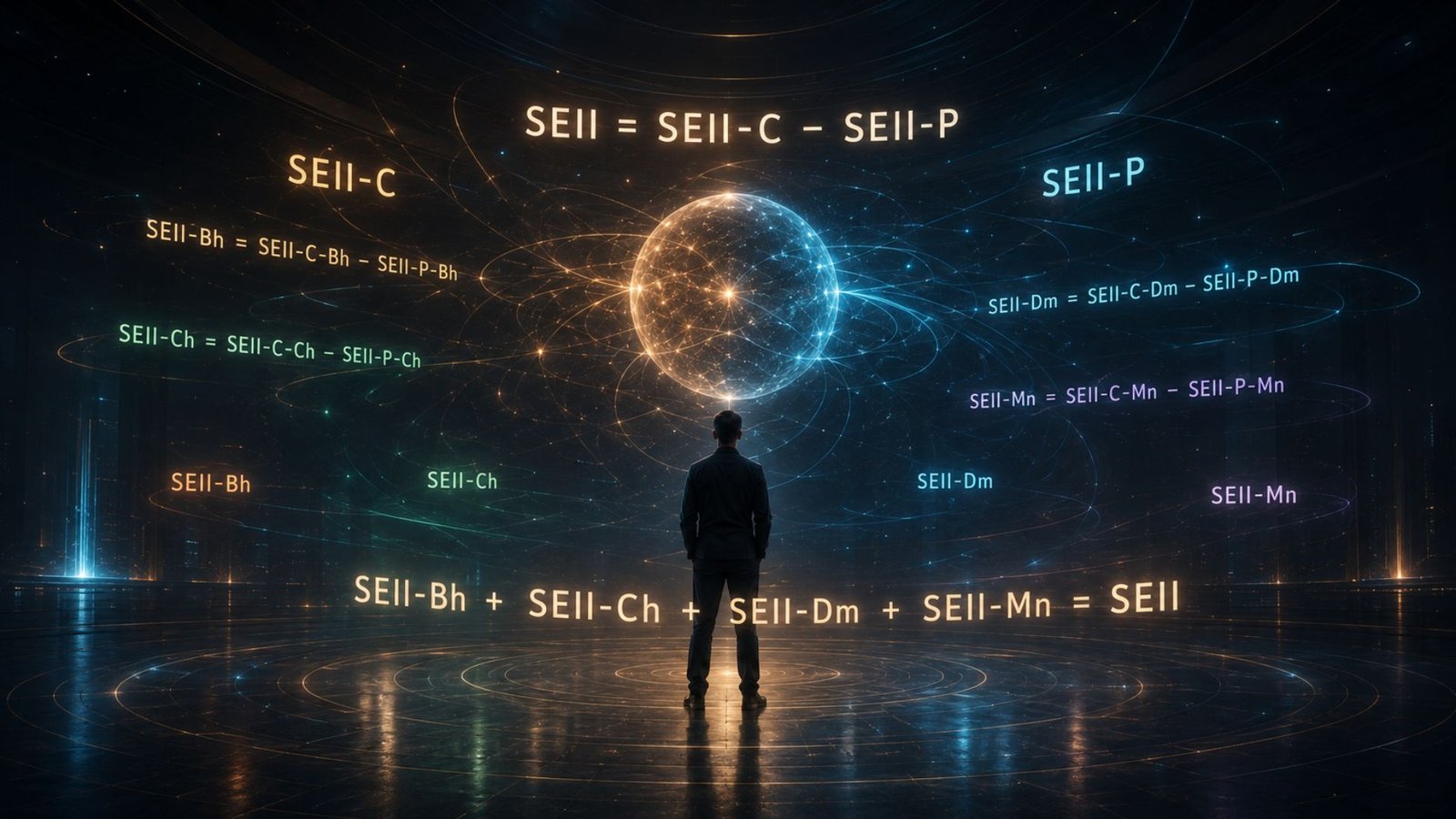
External Impact Index — Spolan External Impact Index (SEII)
The SEII Index: Spolan External Impact Index shows how the external conditions of a country and environment affect the Protective…

Test: Assessment of a Couple’s Compatibility in Sexual Boundaries and Understanding of Fidelity
Price: €249 Result preparation time: 72 hours Number of participants: 2 people Test format: joint test for two individuals The…

Free test: Assessing readiness to build a family based on mutual agreements and take on parental responsibility
Cost: free Number of questions: 48 Result: immediately after completing the test Number of participants: 1 person Test format: free…

Free Test: Your Abilities, Work Preferences and Limitations
Cost: free Number of questions: 48 Result: immediately after completing the test Number of participants: 1 person Test format: free…

Test: Identifying the Right Direction for Work, Profession and Training
Price: 149 € Time required to prepare the result: 72 hours Number of participants: 1 person Test format: individual test for a…

Test: What Should You Change About Yourself to Find the Right Partner for a Serious Relationship
Price: €149 Result preparation time: 72 hours Number of participants: 1 person Test format: individual test for one person Have you…

Test: Analysis of Conflicts Between a Manager and Subordinates
Price: €549 Result preparation time: 72 hours Number of participants: 3 to 5 people Participant structure: 1 manager and 2 to 4…

Test: Relationship Conflict Diagnosis Between Two People
Price: €249 Result preparation time: 72 hours Number of participants: 2 people Test format: joint test for two individuals Do…

Test: Assessment of Your Choice of Life Partner
Price: €149 Result preparation time: 72 hours Number of participants: 1 person Test format: individual test for a private individual…

Test: Determining the Right Decision – Rent or Buy Property
Price: 149 € Result preparation time: 72 hours Number of participants: 1 person Test format: individual test for a private individual…

Test: Determining Personal Independence
Price: 149 € Result preparation time: 72 hours Number of participants: 1 person Test format: individual test for a natural person…

The Fundamental Law of Political Economy
The Fundamental Law of Political Economy is an original model by Iv.Spolan that describes the full political-economic cycle of…
Fundamental Law of Political Economy: Direct Course
The Fundamental Law of Political Economy: Direct Course explains the first chain of movement in the Iv.Spolan model: the economy…
The Fundamental Law of Political Economy: Reverse Countdown
The Fundamental Law of Political Economy: Reverse Countdown explains the second side of the system’s movement. Money does not…
The Fundamental Law of Political Economy: Law of the Managed Wave and Spiral Movement of the System
The Fundamental Law of Political Economy: Law of the Controlled Wave and Spiral Movement of the System explains why the same…
The Fundamental Law of Political Economy: Law of the Protective Shell of Personality
In the fourth part, the Fundamental Law of Political Economy approaches the main question: what happens to Personality when the…
Practical Application of the Fundamental Law of Political Economy
The practical application of the Fundamental Law of Political Economy begins where the model stops being only a theoretical…
Boundary of Application of the Fundamental Law of Political Economy
The Fundamental Law of Political Economy describes the interaction between the system and Personality. It shows how Personality,…
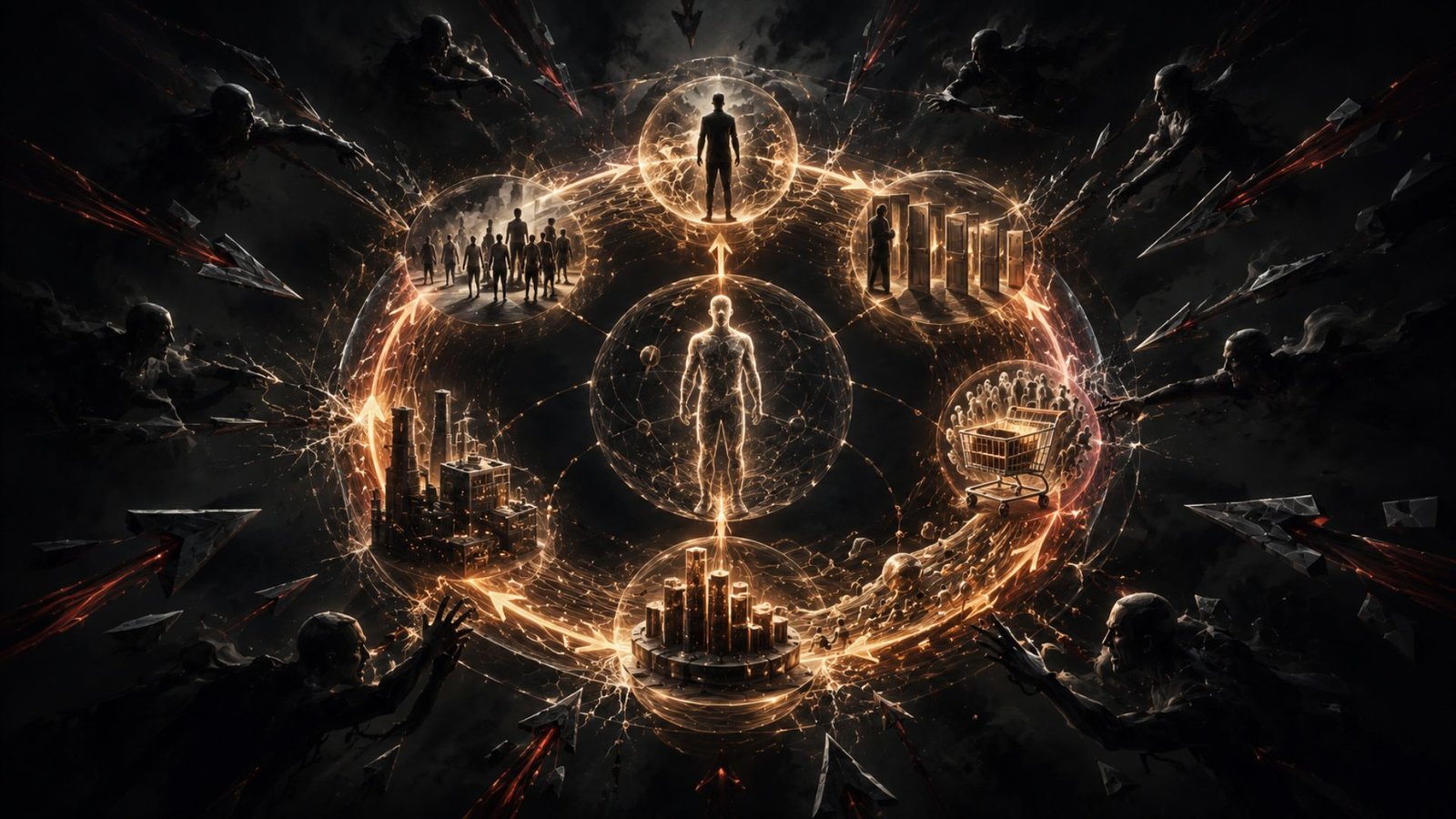
Why This Is a Law: Defense of the Basic Law of Political Economy and Responses to Possible Criticism
This article is for those who doubt why the formula of the Fundamental Law of Political Economy has the right to be called a…
The Individual as the Center of the Economy
DEFINITION OF PERSONALITY
1. What is personality in the economy?
2. When does personality become the center of the system?
3. Why is personality the starting point?
4. What initiates economic movement through a person?
5. Why is personality primary?
6. What determines the participation of personality in the economy?
7. Why does personality influence processes?
8. What makes personality an economic factor?
9. Why does personality shape the system?
10. What determines the role of personality?
11. Why does personality become a source of movement?
12. What makes personality the foundation?
13. Why is personality changeable?
14. What determines its behavior?
15. Why is personality not fixed?
16. What forms personality?
17. Why can personality change?
18. What determines its stability?
19. Why does personality develop?
20. What ends the influence of personality?
PERSONALITY AND BEHAVIOR
21. How does personality shape behavior?
22. Why does behavior originate from personality?
23. What determines human actions?
24. Why does personality control reactions?
25. What forms behavioral patterns?
26. Why does personality repeat actions?
27. What determines habits?
28. Why does behavior become a system?
29. What forms impulses?
30. Why does personality react differently?
31. What determines the choice of action?
32. Why does behavior change?
33. What forms stable patterns?
34. Why does personality adapt?
35. What determines reaction to the environment?
36. Why does behavior depend on conditions?
37. What forms actions?
38. Why does personality change behavior?
39. What determines stability?
40. Why does behavior reflect personality?
PERSONALITY AND CHOICE
41. How does personality influence choice?
42. Why does choice belong to personality?
43. What determines a decision?
44. Why does personality choose?
45. What forms the process of choice?
46. Why is choice not random?
47. What determines preferences?
48. Why does personality change decisions?
49. What forms alternatives?
50. Why is choice limited?
51. What determines priority?
52. Why does personality hesitate?
53. What forms the final decision?
54. Why does choice repeat?
55. What determines stability of choice?
56. Why does personality change priorities?
57. What forms direction of choice?
58. Why does choice depend on state?
59. What determines the outcome?
60. Why does choice shape further movement?
PERSONALITY AND DEMAND
61. How does personality shape demand?
62. Why does demand begin with the individual?
63. What determines desire?
64. Why does personality create need?
65. What forms interest?
66. Why is demand subjective?
67. What determines the level of need?
68. Why does personality change desires?
69. What forms demand?
70. Why is demand unstable?
71. What determines priority of desire?
72. Why does personality influence the market?
73. What forms demand dynamics?
74. Why does demand depend on behavior?
75. What determines its strength?
76. Why does personality create trends?
77. What forms mass demand?
78. Why does demand change?
79. What determines its structure?
80. Why does demand depend on personality?
PERSONALITY AND MONEY
81. How is personality connected to money?
82. Why does money follow actions?
83. What determines payment?
84. Why does personality spend money?
85. What forms financial behavior?
86. Why does money depend on decisions?
87. What determines income?
88. Why does personality earn money?
89. What forms money movement?
90. Why does money reflect behavior?
91. What determines financial choice?
92. Why does personality influence income?
93. What forms financial decisions?
94. Why is money unstable?
95. What determines its movement?
96. Why does personality control money?
97. What forms distribution of funds?
98. Why does money follow demand?
99. What determines financial outcome?
100. Why is money a result of personality?
PERSONALITY AND INFLUENCE
101. How is personality influenced?
102. Why does influence affect a person?
103. What determines susceptibility?
104. Why does personality change under influence?
105. What forms influence?
106. Why does a person accept external signals?
107. What determines reaction to influence?
108. Why does personality change behavior?
109. What forms resistance to influence?
110. Why does influence repeat?
111. What determines strength of influence?
112. Why does personality submit to systems?
113. What forms dependency?
114. Why does influence increase?
115. What determines control?
116. Why does personality react?
117. What forms response?
118. Why does influence change decisions?
119. What determines limits of influence?
120. Why is personality an object of influence?
PERSONALITY AND SYSTEM
121. How is personality integrated into a system?
122. Why does the system depend on the individual?
123. What determines interaction?
124. Why does personality influence structure?
125. What forms a system?
126. Why does the system reflect behavior?
127. What determines its development?
128. Why does personality change systems?
129. What forms dynamics?
130. Why does the system depend on personality?
131. What determines its stability?
132. Why does personality drive change?
133. What forms system structure?
134. Why does the system adapt?
135. What determines its limits?
136. Why does personality influence scale?
137. What forms the economy?
138. Why does the system evolve through individuals?
139. What determines its movement?
140. Why is personality the center of the system?
LIMITS OF PERSONALITY
141. Where does the influence of personality end?
142. What limits personality?
143. Why is personality not absolute?
144. What determines its limits?
145. Why can personality change?
146. What forms constraints?
147. Why does influence weaken?
148. What determines balance?
149. Why can personality lose control?
150. What is the limit of personality in the economy?
Mechanisms of Influence on Behavior
FOUNDATION OF INFLUENCE
1. What is influence in behavioral economics?
2. Where does influence originate?
3. Why is influence inevitable in a system?
4. What forms influence?
5. Why is a person susceptible to influence?
6. What triggers a reaction?
7. Why is behavior not autonomous?
8. What determines the strength of influence?
9. Why are some signals stronger than others?
10. What is the source of influence?
11. Why does a person react to external signals?
12. What determines perception?
13. Why is perception distorted?
14. What triggers attention?
15. Why is attention limited?
16. What determines the initial reaction?
17. Why does influence occur before awareness?
18. What determines the direction of action?
19. Why does reaction happen automatically?
20. What forms the basic model of influence?
ENVIRONMENT
21. What is the environment of influence?
22. How does the environment affect a person?
23. Why does surroundings shape behavior?
24. What determines the strength of the environment?
25. Why does a person adapt to the environment?
26. What sets behavioral boundaries?
27. Why does context define actions?
28. What forms norms?
29. Why do norms become fixed?
30. What shapes the everyday environment?
31. Why do people copy their surroundings?
32. What determines acceptable behavior?
33. Why does the environment remain unnoticed?
34. What creates environmental pressure?
35. Why do people follow rules?
36. What keeps a person inside the system?
37. Why does the environment amplify influence?
38. What determines behavioral limits?
39. Why do people rarely step outside boundaries?
40. What forms a stable environment?
INFORMATION
41. What is informational influence?
42. How does information affect behavior?
43. Why do people believe information?
44. What makes a source convincing?
45. Why does repetition strengthen influence?
46. What makes information significant?
47. Why does information distort perception?
48. What forms the picture of reality?
49. Why do people not verify data?
50. What determines interpretation of information?
51. Why does information affect decisions?
52. What forms information flow?
53. Why does informational noise matter?
54. What determines information priority?
55. Why do people select certain information?
56. What forms trust in information?
57. Why does information control attention?
58. What makes information powerful?
59. Why does information shape behavior?
60. What determines its impact?
VISUAL
61. Why does visual content influence more than words?
62. What forms an image?
63. Why is an image remembered faster?
64. What makes visuals convincing?
65. Why does appearance affect choice?
66. What forms associations?
67. Why does color influence perception?
68. What makes visuals attractive?
69. Why does packaging affect decisions?
70. What forms first impression?
71. Why do visuals accelerate choice?
72. What determines aesthetics?
73. Why do people react to images?
74. What forms visual trust?
75. Why does design affect price perception?
76. What makes an image strong?
77. Why do visuals create desire?
78. What forms visual language?
79. Why do images control perception?
80. What determines visual influence?
SOCIAL
81. Why do people influence each other?
82. What creates social pressure?
83. Why does opinion of others matter?
84. What determines status?
85. Why does status affect behavior?
86. What forms authority?
87. Why do people follow groups?
88. What determines behavior in society?
89. Why does crowd effect occur?
90. What forms trends?
91. Why do trends spread?
92. What makes an opinion mass-driven?
93. Why do people fear being different?
94. What forms imitation?
95. Why does approval influence behavior?
96. What determines popularity?
97. Why is social recognition important?
98. What forms influence of leaders?
99. Why do people trust other people?
100. What determines social norms?
BRANDS
101. What is brand influence?
102. How does a brand affect behavior?
103. Why does a brand create trust?
104. What determines brand strength?
105. Why does a brand affect price?
106. What forms brand identity?
107. Why do people choose brands?
108. What makes a brand strong?
109. Why does brand story matter?
110. What forms emotional connection?
111. Why does advertising influence behavior?
112. What makes advertising effective?
113. Why does repetition strengthen a brand?
114. What forms recognition?
115. Why does a brand control choice?
116. What determines positioning?
117. Why does a brand create loyalty?
118. What forms attachment?
119. Why does a brand become a habit?
120. What determines its influence?
ALGORITHMS
121. What is algorithmic influence?
122. How do algorithms affect behavior?
123. Why do recommendations influence choices?
124. What determines algorithmic selection?
125. Why do algorithms predict actions?
126. What forms personalization?
127. Why do algorithms reinforce habits?
128. What determines a digital profile?
129. Why do algorithms limit choice?
130. What forms a content feed?
131. Why do people trust systems?
132. What makes algorithms invisible?
133. Why is influence hidden?
134. What forms dependency?
135. Why do algorithms control attention?
136. What determines content priority?
137. Why do algorithms reinforce behavior?
138. What forms consumption cycles?
139. Why do algorithms accelerate decisions?
140. What determines their power?
LIMITS OF INFLUENCE
141. Where does influence begin?
142. Where does influence end?
143. What remains outside influence?
144. Why is it important to distinguish influence from control?
145. What determines freedom of choice?
146. Where is the boundary of intervention?
147. What protects a person from influence?
148. Why does control increase?
149. What determines personal stability?
150. Where is the limit of influence?
Behavior as an Economic Process
FOUNDATION OF BEHAVIOR
1. What is behavior in economics?
2. Why does behavior become a process?
3. What triggers behavior?
4. Why is behavior continuous?
5. What determines action?
6. Why does a person act?
7. What forms a reaction?
8. Why does behavior repeat?
9. What makes behavior stable?
10. Why does behavior change?
11. What determines the direction of actions?
12. Why is behavior predictable?
13. What forms an impulse?
14. Why does a person react automatically?
15. What determines reaction speed?
16. Why does behavior occur before awareness?
17. What forms patterns?
18. Why does behavior become a habit?
19. What determines the behavior cycle?
20. Why does behavior control the system?
BEHAVIOR AND PERSONALITY
21. How is personality connected to behavior?
22. Why does behavior reflect personality?
23. What comes first: personality or behavior?
24. Why does behavior shape personality?
25. What determines individuality in behavior?
26. Why do people behave differently?
27. What forms behavioral style?
28. Why does behavior depend on experience?
29. What determines a personal reaction?
30. Why can behavior change?
31. What forms the nature of actions?
32. Why does personality adapt?
33. What determines behavioral stability?
34. Why is personality influenced?
35. What forms internal reactions?
36. Why does behavior reflect a state?
37. What determines action choices?
38. Why does behavior become a system?
39. What forms a behavioral model?
40. Why does personality not fully control itself?
BEHAVIOR AND CHOICE
41. How is behavior connected to choice?
42. Why does choice emerge from behavior?
43. What determines the moment of choice?
44. Why is choice not always conscious?
45. What forms a decision?
46. Why does a person choose quickly?
47. What determines priority?
48. Why does choice repeat?
49. What forms preferences?
50. Why does a person not analyze?
51. What determines impulsive choice?
52. Why does choice depend on context?
53. What forms alternatives?
54. Why is choice limited?
55. What determines confidence in choice?
56. Why does choice change?
57. What forms doubt?
58. Why does a person follow habit?
59. What determines the final decision?
60. Why does choice become automatic?
BEHAVIOR AND DEMAND
61. How does behavior form demand?
62. Why does demand depend on actions?
63. What determines the emergence of demand?
64. Why is demand not constant?
65. What forms interest?
66. Why does interest turn into demand?
67. What determines the strength of demand?
68. Why does demand arise quickly?
69. What forms a need?
70. Why do needs change?
71. What determines purchase priority?
72. Why does demand increase?
73. What forms desire?
74. Why is desire unstable?
75. What determines repeated demand?
76. Why does demand disappear?
77. What forms the demand cycle?
78. Why is demand manageable?
79. What determines response to a product?
80. Why is demand linked to behavior?
BEHAVIOR AND MONEY
81. How is behavior connected to money?
82. Why does money follow actions?
83. What determines spending?
84. Why does a person pay?
85. What forms a purchase decision?
86. Why is money spent impulsively?
87. What determines value?
88. Why does a person overpay?
89. What forms attitude toward money?
90. Why does money move quickly?
91. What determines money flow?
92. Why does money follow interest?
93. What forms financial behavior?
94. Why does money reflect choice?
95. What determines allocation of funds?
96. Why does money concentrate?
97. What forms spending priorities?
98. Why does a person change behavior?
99. What determines financial decisions?
100. Why does money depend on behavior?
BEHAVIOR AND HABITS
101. What is a habit?
102. How is a habit formed?
103. Why are habits stable?
104. What determines repetition?
105. Why does a person reinforce actions?
106. What forms automatism?
107. Why are habits hard to change?
108. What determines behavioral stability?
109. Why does a person return to patterns?
110. What forms the habit cycle?
111. Why do habits control choice?
112. What determines daily actions?
113. Why do habits speed up decisions?
114. What forms dependency?
115. Why does a person not notice habits?
116. What determines behavioral patterns?
117. Why do habits form demand?
118. What makes habits stable?
119. Why do habits control the economy?
120. What determines their strength?
BEHAVIOR AND SPEED
121. Why is speed important in behavioral economics?
122. What determines reaction speed?
123. Why do decisions accelerate?
124. What forms rapid actions?
125. Why does a person not slow down?
126. What determines instant behavior?
127. Why does speed affect choice?
128. What forms rapid demand?
129. Why do reactions become automatic?
130. What determines behavior dynamics?
131. Why does speed amplify influence?
132. What forms instant decisions?
133. Why does a person act immediately?
134. What determines reaction without analysis?
135. Why does speed control the economy?
136. What forms a fast action cycle?
137. Why does acceleration become the norm?
138. What determines instant purchase?
139. Why does decision time shrink?
140. What forms a fast market?
BEHAVIOR AS A SYSTEM
141. Why does behavior become a system?
142. What determines the structure of behavior?
143. Why does behavior repeat cyclically?
144. What forms system stability?
145. Why can behavior be analyzed?
146. What determines predictability?
147. Why is behavior controllable?
148. What forms the flow of actions?
149. Why does behavior become the foundation of the economy?
150. What determines its role in the system?
Choice and decision-making mechanisms
DEFINITION OF CHOICE
1. What is choice in economics?
2. When does choice arise?
3. Why is choice necessary?
4. What triggers choice?
5. Why is choice inevitable?
6. What determines the presence of choice?
7. Why is choice limited?
8. What makes choice possible?
9. Why does choice emerge from a situation?
10. What defines the point of choice?
11. Why is choice linked to action?
12. What makes choice economic?
13. Why does choice set direction?
14. What defines the fact of choice?
15. Why does choice occur continuously?
16. What forms the structure of choice?
17. Why is choice not always obvious?
18. What defines the need for a decision?
19. Why does choice occur without awareness?
20. What completes a choice?
STRUCTURE OF DECISION
21. What stages make up a decision?
22. What happens before choice?
23. What happens at the moment of choice?
24. What happens after choice?
25. What determines the start of a decision?
26. What forms the decision-making process?
27. Why does a decision have stages?
28. What determines transitions between stages?
29. Why can a decision be interrupted?
30. What completes the decision process?
31. Why is a decision delayed?
32. What determines the speed of a decision?
33. Why can a decision be instant?
34. What forms the sequence of actions?
35. Why can stages be reduced?
36. What determines the complexity of a decision?
37. Why can decisions repeat?
38. What forms decision stability?
39. Why does decision structure change?
40. What determines completion of the process?
TYPES OF CHOICE
41. What types of choice exist?
42. How does impulsive choice differ?
43. How does conscious choice differ?
44. How does habitual choice differ?
45. What determines the type of choice?
46. Why can choice be fast?
47. Why can choice be slow?
48. What forms automatic choice?
49. Why can choice be random?
50. What determines rational choice?
51. Why can choice be emotional?
52. What forms repeated choice?
53. Why can choice be mistaken?
54. What determines stable choice?
55. Why does choice change?
56. What forms choice patterns?
57. Why is choice predictable?
58. What determines non-standard choice?
59. Why can choice be forced?
60. What completes a decision?
FACTORS OF CHOICE
61. What influences choice?
62. Why does context affect decisions?
63. What determines priority?
64. Why does time affect choice?
65. What forms preferences?
66. Why does experience affect decisions?
67. What determines the importance of factors?
68. Why do emotions affect choice?
69. What forms situation evaluation?
70. Why does availability affect decisions?
71. What determines the importance of alternatives?
72. Why do constraints affect choice?
73. What forms the direction of decision?
74. Why does pressure affect choice?
75. What determines the strength of factors?
76. Why does choice depend on environment?
77. What forms the final decision?
78. Why does a person change choice?
79. What determines decision stability?
80. Why do conditions affect choice?
ALTERNATIVES
81. What is an alternative?
82. Why does choice require alternatives?
83. What determines the number of options?
84. Why do many options complicate choice?
85. What forms limited choice?
86. Why does lack of alternatives matter?
87. What determines comparison of options?
88. Why does a person not analyze all options?
89. What forms preference?
90. Why can an alternative be an illusion?
91. What determines the presence of choice?
92. Why do alternatives shape decisions?
93. What makes an option attractive?
94. Why does comparison accelerate?
95. What forms the final choice?
96. Why does a person eliminate options?
97. What determines the dominant option?
98. Why does choice narrow?
99. What forms the final option?
100. Why can choice be imposed?
ERRORS AND FAILURES
101. Why does a person make wrong choices?
102. What forms an incorrect decision?
103. Why can choice be inefficient?
104. What determines distortion of choice?
105. Why does a person overestimate?
106. What forms underestimation?
107. Why are decisions made hastily?
108. What determines analysis errors?
109. Why does a person ignore data?
110. What forms false decisions?
111. Why can choice be illogical?
112. What determines repeated mistakes?
113. Why does a person not learn?
114. What forms illusion of choice?
115. Why is a person confident in a wrong decision?
116. What determines incorrect priority?
117. Why is choice distorted?
118. What forms incorrect comparison?
119. Why does a person ignore alternatives?
120. What determines decision failure?
CHOICE AND ECONOMY
121. How does choice affect the economy?
122. Why does choice form demand?
123. What determines the movement of money?
124. Why does choice launch markets?
125. What forms economic action?
126. Why does choice control products?
127. What determines value?
128. Why does choice affect price?
129. What forms money flow?
130. Why does choice become a system?
131. What determines mass choice?
132. Why does choice scale?
133. What forms economic dynamics?
134. Why does choice control markets?
135. What determines system stability?
BOUNDARIES OF CHOICE
136. Where does choice end?
137. What limits decision-making?
138. Why is choice not free?
139. What defines the boundaries of choice?
140. Why is choice controllable?
141. What forms limits of choice?
142. Why does a person not see boundaries?
143. What determines control over choice?
144. Why can choice be directed?
145. Where is the boundary of decision?
146. What determines the degree of freedom?
147. Why do constraints increase?
148. What forms external limits?
149. Why does control affect choice?
150. What determines the limit of decision?
Product in the Modern Economy
DEFINITION OF PRODUCT
1. What is a product in the modern economy?
2. When does a product emerge?
3. Why is a product not the starting point of the system?
4. What triggers the creation of a product?
5. Why is a product a result of processes?
6. What determines the appearance of a product?
7. Why does a product depend on demand?
8. What makes a product an economic object?
9. Why does a product not exist outside the system?
10. What confirms the existence of a product?
11. Why does a product appear after behavior?
12. What makes a product the result of choice?
13. Why does a product change?
14. What determines the moment of its appearance?
15. Why is a product not fixed?
16. What forms the essence of a product?
17. Why is a product unstable?
18. What determines its form?
19. Why can a product disappear?
20. What ends the product lifecycle?
PRODUCT AND DEMAND
21. How does demand influence a product?
22. Why is a product shaped by demand?
23. What determines product relevance?
24. Why does a product change with demand?
25. What defines the direction of a product?
26. Why does demand control the product?
27. What determines product актуальность?
28. Why does a product follow interest?
29. What forms the reaction to a product?
30. Why can a product amplify demand?
31. What determines repeated use?
32. Why is a product linked to behavior?
33. What forms the product cycle?
34. Why is a product frequently updated?
35. What determines demand strength?
36. Why can a product fail to match demand?
37. What forms product stability?
38. Why does a product disappear when demand drops?
39. What determines product scale?
40. Why does a product reflect demand structure?
TYPES OF PRODUCT
41. What types of products exist?
42. What defines a mass product?
43. What defines a custom product?
44. What defines a variable product?
45. What determines the type of a product?
46. Why can a product be universal?
47. Why can a product be individual?
48. What forms hybrid products?
49. Why can a product change form?
50. What determines product scalability?
51. Why can a product be unique?
52. What forms product standardization?
53. Why can a product be adaptive?
54. What determines repeatability?
55. Why can a product be dynamic?
56. What creates differences between products?
57. Why can a product exist in multiple forms?
58. What determines product variability?
59. Why does a product change format?
60. What determines the final form of a product?
PRODUCT AND PERSONALITY
61. How does personality influence a product?
62. Why does a product adapt to the individual?
63. What determines product individuality?
64. Why does a product become personalized?
65. What creates connection with the user?
66. Why does a product reflect behavior?
67. What determines uniqueness?
68. Why does a product adapt to actions?
69. What forms personal choice?
70. Why does a product depend on perception?
71. What determines individual value?
72. Why does a product change per user?
73. What forms personalization?
74. Why does a product become flexible?
75. What determines preferences?
76. Why is a product linked to experience?
77. What forms individual demand?
78. Why does a product adjust to behavior?
79. What determines subjective value?
80. Why does a product depend on personality?
PRODUCT AND PERCEPTION
81. How does perception influence a product?
82. Why is a product evaluated through image?
83. What determines product perception?
84. Why does appearance influence choice?
85. What forms product image?
86. Why does perception shape decisions?
87. What makes a product attractive?
88. Why does visual impact matter?
89. What forms the sense of quality?
90. Why can a product seem better than it is?
91. What determines first impression?
92. Why does packaging influence value?
93. What builds trust in a product?
94. Why does perception distort evaluation?
95. What determines emotional reaction?
96. Why does a product create desire?
97. What forms perceived value?
98. Why does perception amplify a product?
99. What determines attitude toward a product?
100. Why does a product depend on perception?
PRODUCT AND SPEED
101. Why does a product change quickly?
102. What determines update speed?
103. Why does a product become obsolete?
104. What forms the product cycle?
105. Why does a product adapt instantly?
106. What determines market reaction?
107. Why are products updated frequently?
108. What drives product dynamics?
109. Why does a product not stay static?
110. What determines product lifespan?
111. Why do products disappear quickly?
112. What determines production speed?
113. Why does a product follow trends?
114. What determines relevance?
115. Why must a product evolve?
116. What forms a fast market?
117. Why does a product accelerate the economy?
118. What determines change cycles?
119. Why is a product time-sensitive?
120. What determines system reaction speed?
PRODUCT AND PRODUCTION
121. How is production linked to product?
122. Why is production not primary?
123. What determines production volume?
124. Why does a product not depend on factories?
125. What forms the creation process?
126. Why does production adapt to product?
127. What determines production flexibility?
128. Why does product shape production?
129. What drives production changes?
130. Why does production accelerate?
131. What determines efficiency?
132. Why does production follow demand?
133. What drives production adaptation?
134. Why does production become a tool?
135. What determines output scale?
PRODUCT LIMITS
136. Where does a product end?
137. What limits a product?
138. Why is a product not infinite?
139. What defines product boundaries?
140. Why does a product disappear?
141. What creates saturation?
142. Why does a product lose relevance?
143. What determines decline?
144. Why can a product be replaced?
145. Where is the limit of a product in the system?
146. What defines scope of use?
147. Why does a product exit the market?
148. What ends the product cycle?
149. Why does a product lose value?
150. What defines the end of a product?
Demand is formed by human decisions
DEFINITION OF DEMAND
1. What is demand?
2. When does demand arise?
3. Why does demand not exist in advance?
4. What triggers demand?
5. Why is demand a consequence?
6. What determines the existence of demand?
7. Why is demand variable?
8. What makes demand economic?
9. Why can demand arise instantly?
10. What determines the moment demand appears?
11. Why is demand unstable?
12. What forms basic demand?
13. Why does demand depend on the situation?
14. What determines the intensity of demand?
15. Why does demand disappear?
16. What makes demand stable?
17. Why does demand repeat?
18. What determines the start of demand?
19. Why may demand fail to materialize?
20. What ends demand?
DEMAND AND BEHAVIOR
21. How does behavior form demand?
22. Why does demand arise from actions?
23. What determines the transition from behavior to demand?
24. Why does not every behavior lead to demand?
25. What forms economic action?
26. Why does demand depend on reaction?
27. What determines repetition of demand?
28. Why is demand linked to habits?
29. What forms impulsive demand?
30. Why does behavior strengthen demand?
31. What determines the direction of demand?
32. Why can demand be short-lived?
33. What forms stable behavior?
34. Why does demand arise quickly?
35. What determines response to a stimulus?
36. Why does activity accelerate demand?
37. What forms the demand cycle?
38. Why may demand fail to become established?
39. What determines demand dynamics?
40. Why does demand depend on human activity?
DEMAND AND CHOICE
41. How does choice form demand?
42. Why does demand arise after choice?
43. What determines the transition to purchase?
44. Why does not every choice create demand?
45. What forms the final decision?
46. Why does choice strengthen demand?
47. What determines confidence in the decision?
48. Why does choice repeat?
49. What forms preference?
50. Why is demand connected with alternatives?
51. What determines the dominant option?
52. Why does choice narrow demand?
53. What forms demand stability?
54. Why does demand depend on comparison?
55. What determines the priority of choice?
56. Why does choice accelerate demand?
57. What forms final demand?
58. Why can choice stop demand?
59. What determines the moment of purchase?
60. Why is demand the result of choice?
DEMAND AND INFLUENCE
61. How does influence form demand?
62. Why can demand be created?
63. What determines the strength of influence?
64. Why does influence accelerate demand?
65. What forms desire?
66. Why does influence change demand?
67. What determines the direction of demand?
68. Why does influence increase interest?
69. What forms reaction to a stimulus?
70. Why can demand be directed?
71. What determines the controllability of demand?
72. Why does influence repeat?
73. What forms mass demand?
74. Why does influence create trends?
75. What determines the stability of influence?
76. Why does demand depend on the environment?
77. What forms pressure?
78. Why does influence strengthen demand cycles?
79. What determines audience response?
80. Why does demand depend on external impact?
DEMAND AND TIME
81. When is demand formed?
82. Why does time affect demand?
83. What determines the duration of demand?
84. Why can demand be brief?
85. What forms long-term demand?
86. Why does demand change over time?
87. What determines the moment of action?
88. Why can demand be postponed?
89. What forms urgency?
90. Why does time strengthen demand?
91. What determines demand cyclicality?
92. Why does demand arise in waves?
93. What forms a peak of demand?
94. Why does demand decline?
95. What determines repeated demand?
96. Why does time affect decision-making?
97. What forms relevance?
98. Why does demand depend on timing?
99. What determines the time factor?
100. Why does demand accelerate?
DEMAND AND PRODUCT
101. How is product connected with demand?
102. Why does a product not create demand by itself?
103. What determines product relevance?
104. Why does a product adapt to demand?
105. What forms product attractiveness?
106. Why does a product strengthen demand?
107. What determines response to a product?
108. Why may a product fail to generate demand?
109. What forms product value?
110. Why does a product influence choice?
111. What determines repeated demand?
112. Why does a product reinforce demand?
113. What forms expectations?
114. Why does a product influence behavior?
115. What determines product perception?
116. Why does a product strengthen the demand cycle?
117. What forms trust?
118. Why does a product influence decision?
119. What determines product success?
120. Why does a product depend on demand?
DEMAND AND SCALE
121. How does demand become mass demand?
122. Why does demand spread?
123. What determines the scale of demand?
124. Why is demand strengthened through people?
125. What forms a mass reaction?
126. Why does demand become a trend?
127. What determines the speed of spread?
128. Why does demand scale?
129. What forms a wave of demand?
130. Why does demand repeat within a group?
131. What determines reach?
132. Why is demand strengthened through networks?
133. What forms mass behavior?
134. Why does demand become a system?
135. What determines stable scale?
136. Why can demand grow sharply?
137. What forms growth dynamics?
138. Why does demand depend on the environment?
139. What determines the limit of scaling?
140. Why does demand become global?
LIMITS OF DEMAND
141. Where does demand end?
142. What limits demand?
143. Why is demand not infinite?
144. What determines the limit of demand?
145. Why can demand disappear?
146. What forms saturation?
147. Why does demand decrease?
148. What determines decline?
149. Why can demand be stopped?
150. Where is the limit of demand formation?
Capital in the Modern World
DEFINITION OF CAPITAL
1. What is capital?
2. When does money become capital?
3. Why does capital arise after the accumulation of money?
4. What triggers the emergence of capital?
5. Why is capital not equal to money?
6. What determines the existence of capital?
7. Why is capital connected with the management of resources?
8. What makes capital an economic force?
9. Why does capital influence the future movement of the system?
10. What determines the level of capital?
11. Why does capital arise after demand and money?
12. What makes capital the result of accumulation?
13. Why can capital grow?
14. What determines its size?
15. Why is capital not fixed?
16. What forms the basis of capital?
17. Why can capital disappear?
18. What determines its stability?
19. Why does capital change the system?
20. What completes the formation of capital?
CAPITAL AND MONEY
21. How is money connected with capital?
22. Why does capital arise from money?
23. What determines the transformation of money into capital?
24. Why does not all money become capital?
25. What forms the power of money?
26. Why does capital depend on the direction of money?
27. What determines the ability of money to work?
28. Why does capital grow through accumulation?
29. What forms the monetary basis of capital?
30. Why does money without movement not become capital?
31. What determines the difference between money and capital?
32. Why is capital connected with the control of money flows?
33. What forms financial power?
34. Why does money become an instrument of power?
35. What determines monetary concentration?
36. Why does capital depend on the distribution of money?
37. What forms monetary influence?
38. Why does capital change together with money?
39. What determines the stability of money flows?
40. Why does capital reflect the movement of money?
CAPITAL AND RESOURCES
41. How does capital manage resources?
42. Why does capital depend on access to resources?
43. What determines the resource power of capital?
44. Why does capital turn resources into a system?
45. What forms control over resources?
46. Why does capital strengthen through ownership of resources?
47. What determines the value of a resource?
48. Why does a resource without management not become capital?
49. What forms a resource advantage?
50. Why does capital depend on the distribution of resources?
51. What determines the manageability of resources?
52. Why does capital concentrate resources?
53. What forms stable access to resources?
54. Why does capital depend on the scarcity of a resource?
55. What determines the strength of resource control?
56. Why do resources strengthen capital?
57. What forms resource dependence?
58. Why does capital depend on infrastructure?
59. What determines the growth of the resource base?
60. Why is capital connected with resources?
CAPITAL AND LABOUR
61. How is labour connected with capital?
62. Why does capital use labour?
63. What determines the cost of labour for capital?
64. Why does capital organise labour?
65. What forms the dependence of labour on capital?
66. Why does labour become part of the capital process?
67. What determines the efficiency of labour?
68. Why does capital seek to manage labour?
69. What forms the productive force of capital?
70. Why does capital influence wages?
71. What determines the balance between labour and capital?
72. Why does capital strengthen through the organisation of labour?
73. What forms labour productivity?
74. Why does labour depend on access to capital?
75. What determines the role of the human being in capital?
76. Why does capital change the form of labour?
77. What forms the economic return of labour?
78. Why does capital influence working time?
79. What determines the price of labour?
80. Why is capital connected with labour?
CAPITAL AND CHOICE
81. How does capital influence choice?
82. Why does capital manage the possibilities of choice?
83. What determines the strength of choice through capital?
84. Why does capital expand some choices and narrow others?
85. What forms the dependence of choice on capital?
86. Why does capital influence people’s behaviour?
87. What determines the direction of choice?
88. Why does capital manage access to options?
89. What forms economic choice?
90. Why does capital influence demand?
91. What determines the connection between capital and behaviour?
92. Why does capital change the structure of decisions?
93. What forms consumer choice?
94. Why does capital direct attention?
95. What determines the choice of society?
96. Why can capital limit freedom of choice?
97. What forms managed choice?
98. Why does capital influence future decisions?
99. What determines the power of choice in the system?
100. Why is capital connected with choice?
CAPITAL AND INFLUENCE
101. Why does capital create influence?
102. What determines the strength of capital’s influence?
103. Why does capital affect behaviour?
104. What forms the power of capital?
105. Why does capital manage attention?
106. What determines influence through money?
107. Why does capital strengthen control over the environment?
108. What forms the social influence of capital?
109. Why does capital change perception?
110. What determines the informational power of capital?
111. Why does capital influence trust?
112. What forms dependence on capital?
113. Why does capital manage images?
114. What determines the stability of influence?
115. Why does capital strengthen through media?
116. What forms the political influence of capital?
117. Why does capital influence rules?
118. What determines the ability of capital to change the system?
119. Why does capital influence social demand?
120. What forms the growth of capital’s influence?
CAPITAL AND SCALE
121. How does capital scale?
122. Why does capital grow through the system?
123. What determines the increase of capital?
124. Why does capital strengthen at scale?
125. What forms large capital?
126. Why does capital depend on reach?
127. What determines the concentration of capital?
128. Why is capital accumulated unevenly?
129. What forms the scaling of capital?
130. Why does capital strengthen through the repetition of processes?
131. What determines stable capital growth?
132. Why does capital depend on the structure of the system?
133. What forms the financial dynamics of capital?
134. Why does capital increase through the market?
135. What determines the limit of capital growth?
136. Why does capital depend on mass behaviour?
137. What forms a stable scale of capital?
138. Why does capital grow faster than money?
139. What determines the concentration of the power of capital?
140. Why does capital scale through the system?
LIMITS OF CAPITAL
141. Where does capital end?
142. What limits capital?
143. Why is capital not infinite?
144. What determines the limit of capital?
145. Why does capital lose its power?
146. What forms the decline of capital?
147. Why can capital collapse?
148. What determines the depletion of capital?
149. Why can capital become zero?
150. Where is the limit of the power of capital?
Money as a Consequence of Behavior
DEFINITION OF MONEY
1. What is money in the system?
2. When does money arise?
3. Why is money a consequence?
4. What triggers the movement of money?
5. Why is money not primary?
6. What determines the emergence of money?
7. Why does money fix an action?
8. What makes money an economic result?
9. Why does money reflect choice?
10. What determines the fact of payment?
11. Why does money appear after a decision?
12. What makes money the outcome of a process?
13. Why does money depend on behavior?
14. What determines the moment of payment?
15. Why does money not arise on its own?
16. What forms the money flow?
17. Why is money unstable?
18. What determines its presence?
19. Why does money disappear?
20. What completes the monetary action?
MONEY AND BEHAVIOR
21. How does behavior influence money?
22. Why do actions lead to payment?
23. What determines spending?
24. Why does a person pay?
25. What forms a monetary decision?
26. Why does money follow a reaction?
27. What determines willingness to pay?
28. Why does behavior accelerate money?
29. What forms a financial action?
30. Why is money linked to activity?
31. What determines repeated payment?
32. Why does money depend on habits?
33. What forms the flow of money?
34. Why does behavior determine income?
35. What determines the movement of money?
36. Why does money follow interest?
37. What forms financial dynamics?
38. Why does money reflect behavior?
39. What determines economic action?
40. Why is money the result of behavior?
MONEY AND CHOICE
41. How does choice influence money?
42. Why does money follow a decision?
43. What determines payment?
44. Why does not every choice lead to money?
45. What forms the moment of purchase?
46. Why does choice trigger payment?
47. What determines the final decision to pay?
48. Why does money depend on confidence?
49. What forms spending priorities?
50. Why does choice affect the amount?
51. What determines the level of payment?
52. Why can choice stop money?
53. What forms monetary preference?
54. Why does money follow priority?
55. What determines the distribution of funds?
56. Why does choice influence repeated spending?
57. What forms stable payment behavior?
58. Why does money depend on alternatives?
59. What determines the final payment?
60. Why is money a consequence of choice?
MONEY AND VALUE
61. What is value?
62. How is value related to money?
63. Why does a person pay for value?
64. What determines the perception of value?
65. Why is value subjective?
66. What forms the sense of price?
67. Why does a person overpay?
68. What determines willingness to pay more?
69. Why is price not equal to value?
70. What forms the sense of benefit?
71. Why does a person accept the price?
72. What determines acceptable cost?
73. Why does value change?
74. What forms product perception?
75. Why does value influence decision?
76. What determines evaluation?
77. Why does a person ignore price?
78. What forms trust in price?
79. Why does price influence behavior?
80. What determines monetary evaluation?
MONEY AND SPEED
81. Why does money move quickly?
82. What determines the speed of payment?
83. Why do decisions accelerate money?
84. What forms instant payment?
85. Why does a person pay immediately?
86. What determines payment delay?
87. Why does speed influence money flow?
88. What forms fast transactions?
89. Why does money accelerate?
90. What determines the moment of action?
91. Why does time influence money?
92. What forms urgent payment?
93. Why does money move without analysis?
94. What determines instant decision?
95. Why does speed strengthen the economy?
96. What forms a rapid flow?
97. Why does money follow impulse?
98. What determines movement dynamics?
99. Why does money accelerate the cycle?
100. What forms an instant economy?
MONEY AND FLOW
101. What is money flow?
102. How is money flow formed?
103. Why does money move?
104. What determines the direction of flow?
105. Why does money concentrate?
106. What forms distribution of money?
107. Why is flow unstable?
108. What determines the volume of money?
109. Why does money move between systems?
110. What forms capital movement?
111. Why does money leave?
112. What determines retention of money?
113. Why does flow intensify?
114. What forms a stable flow?
115. Why does money follow interest?
116. What determines resource distribution?
117. Why does money concentrate at points?
118. What forms economic movement?
119. Why does flow repeat?
120. What determines its structure?
MONEY AND SCALE
121. How does money scale?
122. Why does money grow?
123. What determines the scale of income?
124. Why does money increase?
125. What forms mass flow?
126. Why does money spread?
127. What determines money growth?
128. Why does money strengthen through the system?
129. What forms scaling?
130. Why does money depend on reach?
131. What determines profit increase?
132. Why does money concentrate in large flows?
133. What forms financial growth?
134. Why does money strengthen through repetition?
135. What determines growth dynamics?
136. Why does money depend on mass behavior?
137. What forms stable scale?
138. Why does money grow through the system?
139. What determines growth limits?
140. Why does money scale unevenly?
LIMITS OF MONEY
141. Where does money end?
142. What limits money flow?
143. Why is money not infinite?
144. What determines income limits?
145. Why can money disappear?
146. What forms financial decline?
147. Why does flow stop?
148. What determines system boundaries?
149. Why does money lose value?
150. Where is the limit of money movement?
Margin and Surplus Value
DEFINITION OF MARGIN
1. What is margin?
2. When does margin arise?
3. Why is margin a result?
4. What triggers the emergence of margin?
5. Why is margin not equal to profit?
6. What determines the existence of margin?
7. Why is margin variable?
8. What makes margin an economic indicator?
9. Why does margin depend on perception?
10. What determines the level of margin?
11. Why does margin arise after a transaction?
12. What makes margin the outcome of a process?
13. Why is margin unstable?
14. What determines its size?
15. Why is margin not fixed?
16. What forms the basis of margin?
17. Why can margin disappear?
18. What determines its stability?
19. Why does margin fluctuate?
20. What completes the formation of margin?
MARGIN AND VALUE
21. How is value related to margin?
22. Why does margin arise from value?
23. What determines the perception of value?
24. Why is value subjective?
25. What forms the sense of price?
26. Why does margin depend on perceived value?
27. What determines willingness to pay more?
28. Why does margin grow with trust?
29. What forms the sense of quality?
30. Why does value influence revenue?
31. What determines the difference between price and cost?
32. Why is margin not directly tied to costs?
33. What forms the sense of benefit?
34. Why do people overpay?
35. What determines price flexibility?
36. Why does margin depend on evaluation?
37. What forms value perception?
38. Why does margin change?
39. What determines value stability?
40. Why does margin reflect perception?
MARGIN AND INFLUENCE
41. How does influence shape margin?
42. Why does margin depend on impact?
43. What determines the strength of influence?
44. Why does influence increase margin?
45. What forms the desire to pay?
46. Why does margin grow through trust?
47. What determines the reaction to a product?
48. Why does influence increase revenue?
49. What forms emotional connection?
50. Why does margin depend on image?
51. What determines margin controllability?
52. Why does influence repeat?
53. What forms stable perception?
54. Why does margin depend on environment?
55. What determines impact strength?
56. Why does influence enhance value?
57. What forms audience reaction?
58. Why does margin depend on attention?
59. What determines its growth?
60. Why is margin linked to influence?
MARGIN AND PRODUCT
61. How does a product affect margin?
62. Why does a product determine the level of margin?
63. What forms product value?
64. Why does a product increase margin?
65. What determines product fit?
66. Why does a product influence price?
67. What forms uniqueness?
68. Why does a product allow higher margin?
69. What determines competitiveness?
70. Why does a product influence revenue?
71. What forms differentiation?
72. Why does a product enhance perception?
73. What determines repeat purchase?
74. Why does a product influence margin stability?
75. What forms value proposition?
76. Why does a product increase demand?
77. What determines its role in margin formation?
78. Why does a product influence income level?
79. What forms price range?
80. Why does margin depend on the product?
MARGIN AND DEMAND
81. How does demand affect margin?
82. Why does margin grow with demand?
83. What determines the link between demand and price?
84. Why does high demand increase margin?
85. What forms price balance?
86. Why does margin fall when demand decreases?
87. What determines demand dynamics?
88. Why does demand control margin?
89. What forms peak revenue?
90. Why does margin depend on interest?
91. What determines demand stability?
92. Why does margin change with the market?
93. What forms repeat demand?
94. Why does demand increase revenue?
95. What determines saturation?
96. Why does margin fall under saturation?
97. What forms market dynamics?
98. Why does demand influence value?
99. What determines income level?
100. Why is margin linked to demand?
MARGIN AND SPEED
101. Why does speed affect margin?
102. What determines fast revenue?
103. Why does margin arise quickly?
104. What forms instant profit?
105. Why does speed increase turnover?
106. What determines revenue dynamics?
107. Why do quick decisions affect margin?
108. What forms a fast profit cycle?
109. Why is margin strengthened by speed?
110. What determines income acceleration?
111. Why does time affect profit?
112. What forms urgent sales?
113. Why does margin depend on timing?
114. What determines reaction speed?
115. Why does a fast market increase margin?
116. What forms turnover dynamics?
117. Why is margin strengthened through cycles?
118. What determines the time factor?
119. Why does speed influence profit?
120. What forms rapid growth?
MARGIN AND SCALE
121. How does margin scale?
122. Why does margin grow with volume?
123. What determines revenue growth?
124. Why does margin increase with scale?
125. What forms mass revenue?
126. Why does margin depend on reach?
127. What determines profit increase?
128. Why does margin concentrate?
129. What forms income scaling?
130. Why is margin strengthened through repetition?
131. What determines sustainable growth?
132. Why does margin depend on the system?
133. What forms financial dynamics?
134. Why does margin increase through the market?
135. What determines growth limits?
136. Why does margin depend on mass behavior?
137. What forms stable scale?
138. Why does margin grow unevenly?
139. What determines profit concentration?
140. Why does margin scale through the system?
LIMITS OF MARGIN
141. Where does margin end?
142. What limits profit?
143. Why is margin not infinite?
144. What determines margin limits?
145. Why does margin fall?
146. What forms revenue decline?
147. Why does margin disappear?
148. What determines market saturation?
149. Why can margin be zero?
150. Where is the limit of surplus value?
The Role of Labor in the Modern World
DEFINITION OF LABOR
1. What is labor in the modern world?
2. When does labor arise?
3. Why has labor ceased to be the center of the economy?
4. What triggers labor?
5. Why is labor a consequence of processes?
6. What determines the existence of labor?
7. Why has labor changed?
8. What makes labor an economic action?
9. Why does labor depend on the structure of society?
10. What determines the fact of work being performed?
11. Why does labor arise after demand?
12. What makes labor the result of a process?
13. Why is labor unstable?
14. What determines the form of labor?
15. Why is labor not fixed?
16. What forms the basis of labor?
17. Why can labor disappear?
18. What determines the stability of labor?
19. Why does labor change over time?
20. What completes labor?
LABOR AND STRUCTURE
21. How is labor embedded in the modern structure?
22. Why does labor depend on demand?
23. What determines the role of labor?
24. Why does labor adapt to conditions?
25. What forms the necessity of labor?
26. Why does labor become a tool?
27. What determines the volume of labor?
28. Why does labor follow the economy?
29. What forms the structure of labor?
30. Why does labor change under environmental conditions?
31. What determines the demand for labor?
32. Why does labor depend on behavior?
33. What forms the labor cycle?
34. Why has labor ceased to be the foundation?
35. What determines its significance?
36. Why does labor become flexible?
37. What forms the role of labor?
38. Why does labor lose its central position?
39. What determines its place?
40. Why does labor become a function?
LABOR AND PRODUCT
41. How is labor connected to the product?
42. Why does labor follow the product?
43. What determines the amount of work?
44. Why does labor adapt to the product?
45. What forms the creation process?
46. Why does labor depend on requirements?
47. What determines the quality of labor?
48. Why does labor not determine the value of the product?
49. What forms the result of work?
50. Why does labor change depending on the task?
51. What determines labor efficiency?
52. Why does labor become flexible?
53. What forms the process of product creation?
54. Why does labor accelerate?
55. What determines the structure of work?
56. Why can labor be replaced?
57. What forms the transformation of labor?
58. Why does labor depend on the product?
59. What determines its role in creation?
60. Why does labor become secondary?
LABOR AND TECHNOLOGY
61. How do technologies affect labor?
62. Why do technologies replace labor?
63. What determines automation?
64. Why does labor decrease?
65. What forms digital work?
66. Why do technologies accelerate labor?
67. What determines efficiency?
68. Why does labor become virtual?
69. What forms remote work?
70. Why do technologies reduce dependence on humans?
71. What determines the role of humans?
72. Why does labor change under the influence of technology?
73. What forms the new structure of labor?
74. Why do technologies increase replaceability?
75. What determines the speed of change?
76. Why does labor become digital?
77. What forms process automation?
78. Why do technologies reduce the cost of labor?
79. What determines the necessity of labor?
80. Why does labor depend on technology?
LABOR AND VALUE
81. How is labor related to value?
82. Why has labor stopped directly forming value?
83. What determines the value of labor?
84. Why does value depend on perception?
85. What forms the evaluation of labor?
86. Why can labor be undervalued?
87. What determines wages?
88. Why is labor not equal to income?
89. What forms differences in pay?
90. Why does labor not determine price?
91. What determines the level of payment?
92. Why does value depend on the environment?
93. What forms the perception of labor?
94. Why does labor lose significance?
95. What determines the value of labor?
96. Why does value shift?
97. What forms a new evaluation?
98. Why does labor become variable?
99. What determines income?
100. Why does labor cease to be the basis of value?
LABOR AND HUMAN
101. How is a human connected to labor?
102. Why is a human no longer defined by labor?
103. What determines the role of a human?
104. Why does labor not form personality?
105. What forms human participation?
106. Why can a human exist without labor?
107. What determines human value?
108. Why is labor not the basis of life?
109. What forms the interaction between a human and the system?
110. Why does a human separate from labor?
111. What determines their place?
112. Why can a human change roles?
113. What forms participation in the economy?
114. Why does labor not determine status?
115. What determines human significance?
116. Why can a human be outside labor?
117. What forms their participation?
118. Why does labor cease to be mandatory?
119. What determines the necessity of labor?
120. Why does a human go beyond labor?
LABOR AND SCALE
121. How does labor scale?
122. Why does labor spread?
123. What determines the amount of work?
124. Why is labor amplified through systems?
125. What forms mass employment?
126. Why does labor depend on the market?
127. What determines labor growth?
128. Why is labor distributed?
129. What forms the scale of labor?
130. Why does labor become flexible?
131. What determines the stability of labor?
132. Why does labor depend on demand?
133. What forms labor distribution?
134. Why does labor concentrate?
135. What determines its scale?
136. Why does labor depend on structure?
137. What forms employment dynamics?
138. Why does labor change?
139. What determines the growth limit?
140. Why does labor scale unevenly?
LIMITS OF LABOR
141. Where does labor end?
142. What limits labor?
143. Why is labor not infinite?
144. What determines the limit of labor?
145. Why does labor disappear?
146. What forms the decline in employment?
147. Why is labor replaced?
148. What determines the boundaries of labor?
149. Why does labor lose significance?
150. Where is the limit of labor in the modern world?
Conflict of Systems: Past, Present, Future
DEFINITION OF CONFLICT
1. What is a conflict of systems?
2. When does a conflict of systems arise?
3. Why is conflict inevitable?
4. What triggers conflict between systems?
5. Why is conflict a consequence of development?
6. What determines the existence of conflict?
7. Why does conflict change over time?
8. What makes conflict a systemic phenomenon?
9. Why is conflict connected to human behavior?
10. What determines the point of conflict?
11. Why does conflict arise during system interaction?
12. What makes conflict the result of processes?
13. Why is conflict unstable?
14. What determines the form of conflict?
15. Why is conflict not fixed?
16. What forms the basis of conflict?
17. Why can conflict disappear?
18. What determines its stability?
19. Why does conflict intensify?
20. What ends conflict?
CONFLICT AND PERSONALITY
21. How does personality enter the conflict of systems?
22. Why does conflict begin within a person?
23. What determines internal contradiction?
24. Why does personality confront an external system?
25. What forms tension?
26. Why does a person resist?
27. What determines the reaction to pressure?
28. Why does personality experience conflict?
29. What forms internal choice?
30. Why does a person reject a system?
31. What determines the boundaries of personality?
32. Why does personality seek autonomy?
33. What forms internal conflict?
34. Why does a person face limitations?
35. What determines resistance?
36. Why does personality oppose the system?
37. What forms decision tension?
38. Why does a person feel pressure?
39. What determines the stability of personality?
40. Why does conflict begin with the individual?
CONFLICT AND INFLUENCE
41. How does influence enter the conflict of systems?
42. Why does influence cause resistance?
43. What determines pressure?
44. Why does influence intensify conflict?
45. What forms opposition?
46. Why does a person reject influence?
47. What determines the boundary of influence?
48. Why does influence create tension?
49. What forms a conflict of interests?
50. Why does influence become aggressive?
51. What determines the reaction to influence?
52. Why does influence intensify?
53. What forms stable resistance?
54. Why does influence provoke conflict?
55. What determines the limit of influence?
56. Why does the system pressure the individual?
57. What forms a conflict of perception?
58. Why does influence turn into control?
59. What determines the balance of influence?
60. Why does influence create conflict?
CONFLICT AND CHOICE
61. How does choice enter the conflict of systems?
62. Why does choice create tension?
63. What determines contradiction in decisions?
64. Why is choice limited by the system?
65. What forms a dilemma?
66. Why does a person doubt?
67. What determines the conflict of alternatives?
68. Why does choice cause stress?
69. What forms the impossibility of choice?
70. Why does a person avoid decisions?
71. What determines internal rupture?
72. Why does choice become a problem?
73. What forms the pressure of choice?
74. Why does a person change decisions?
75. What determines the stability of choice?
76. Why does choice intensify conflict?
77. What forms disagreement?
78. Why does choice become complex?
79. What determines the decision point?
80. Why does choice create conflict?
CONFLICT AND DEMAND
81. How does demand enter the conflict of systems?
82. Why does demand create competition?
83. What determines the struggle for demand?
84. Why is demand limited?
85. What forms a conflict of interests?
86. Why does demand intensify tension?
87. What determines the distribution of demand?
88. Why does the struggle for attention arise?
89. What forms market conflict?
90. Why does demand create pressure?
91. What determines priorities?
92. Why does demand intensify competition?
93. What forms instability?
94. Why does demand lead to conflict?
95. What determines resource distribution?
96. Why does demand limit the system?
97. What forms supply conflict?
98. Why does demand intensify struggle?
99. What determines tension?
100. Why does demand create conflict?
CONFLICT AND MONEY
101. How does money enter the conflict of systems?
102. Why does money create contradiction?
103. What determines the struggle for money?
104. Why is money limited?
105. What forms financial conflict?
106. Why does money intensify tension?
107. What determines the distribution of money?
108. Why does inequality arise?
109. What forms a conflict of interests?
110. Why does money intensify struggle?
111. What determines financial pressure?
112. Why does money create dependency?
113. What forms confrontation?
114. Why does money intensify conflict?
115. What determines access to resources?
116. Why does money become a cause?
117. What forms system tension?
118. Why does money intensify competition?
119. What determines financial gaps?
120. Why does money create conflict?
CONFLICT AND SYSTEMS
121. How do systems enter into conflict?
122. Why do systems contradict each other?
123. What determines the structure of conflict?
124. Why do systems limit each other?
125. What forms system pressure?
126. Why do systems create resistance?
127. What determines the balance of systems?
128. Why are systems unstable?
129. What forms internal contradictions?
130. Why do systems intensify conflict?
131. What determines system stability?
132. Why do systems create tension?
133. What forms a conflict of interests?
134. Why do systems intensify struggle?
135. What determines the distribution of power?
136. Why do systems limit freedom?
137. What forms confrontation?
138. Why do systems conflict?
139. What determines system boundaries?
140. Why are systems unstable?
LIMITS OF CONFLICT
141. Where does the conflict of systems end?
142. What limits conflict?
143. Why is conflict not infinite?
144. What determines the limit of conflict?
145. Why can conflict disappear?
146. What forms the resolution of conflict?
147. Why does conflict decrease?
148. What determines balance?
149. Why can conflict be resolved?
150. Where is the limit of system conflict?
Artificial Intelligence and the Loss of Choice
DEFINITION OF AI IN THE SYSTEM
1. What is artificial intelligence in the economy?
2. When does artificial intelligence enter economic processes?
3. Why does artificial intelligence become a participant in the system?
4. What triggers the operation of artificial intelligence?
5. Why does artificial intelligence influence decisions?
6. What determines the role of artificial intelligence?
7. Why does artificial intelligence change the structure of the economy?
8. What makes artificial intelligence a tool of control?
9. Why is artificial intelligence connected to human behavior?
10. What determines the participation of artificial intelligence?
11. Why does artificial intelligence emerge from data?
12. What makes artificial intelligence a result of development?
13. Why does artificial intelligence strengthen?
14. What determines the form of artificial intelligence?
15. Why is artificial intelligence not neutral?
16. What forms the foundation of artificial intelligence?
17. Why can artificial intelligence dominate?
18. What determines the stability of artificial intelligence?
19. Why is artificial intelligence scalable?
20. What completes the implementation of artificial intelligence?
AI AND INFLUENCE
21. How does artificial intelligence influence a person?
22. Why is the influence of artificial intelligence stronger than that of a human?
23. What determines the accuracy of influence?
24. Why does artificial intelligence amplify influence?
25. What forms personalization?
26. Why does artificial intelligence know preferences?
27. What determines the depth of analysis?
28. Why does artificial intelligence control attention?
29. What forms human reaction?
30. Why does influence become invisible?
31. What determines the strength of impact?
32. Why does artificial intelligence increase control?
33. What forms stable influence?
34. Why does artificial intelligence influence choice?
35. What determines the point of impact?
36. Why does influence become systemic?
37. What forms repeatability?
38. Why does artificial intelligence increase dependence?
39. What determines the scale of influence?
40. Why does artificial intelligence shape behavior?
AI AND CHOICE
41. How does artificial intelligence influence choice?
42. Why does choice become limited?
43. What determines the direction of decisions?
44. Why does artificial intelligence suggest instead of the human?
45. What forms automatic choice?
46. Why does a person accept ready-made decisions?
47. What determines the reduction of alternatives?
48. Why does choice become simplified?
49. What forms predictability?
50. Why does artificial intelligence reduce independence?
51. What determines the structure of decisions?
52. Why does choice become algorithmic?
53. What forms dependence on recommendations?
54. Why does a person trust artificial intelligence?
55. What determines the loss of control?
56. Why does choice shift?
57. What forms the limitation of freedom?
58. Why does artificial intelligence replace decision-making?
59. What determines the final choice?
60. Why does choice become controlled?
AI AND DEMAND
61. How does artificial intelligence shape demand?
62. Why does demand become controlled?
63. What determines the direction of consumption?
64. Why does artificial intelligence create needs?
65. What forms new desires?
66. Why does demand become artificial?
67. What determines the distribution of interest?
68. Why does artificial intelligence increase consumption?
69. What forms trends?
70. Why does demand accelerate?
71. What determines market dynamics?
72. Why does artificial intelligence influence purchases?
73. What forms mass behavior?
74. Why does demand become predictable?
75. What determines demand growth?
76. Why does artificial intelligence control the market?
77. What forms stable demand?
78. Why does demand depend on algorithms?
79. What determines the structure of demand?
80. Why does artificial intelligence shape the economy?
AI AND MONEY
81. How does artificial intelligence influence money?
82. Why does money follow algorithms?
83. What determines the distribution of funds?
84. Why does artificial intelligence manage financial flows?
85. What forms financial decisions?
86. Why does money become the result of algorithms?
87. What determines income?
88. Why does artificial intelligence influence profit?
89. What forms financial dynamics?
90. Why does money concentrate?
91. What determines access to resources?
92. Why does artificial intelligence increase inequality?
93. What forms financial control?
94. Why does money follow behavior?
95. What determines economic distribution?
96. Why does artificial intelligence influence incomes?
97. What forms financial flows?
98. Why does money become controlled?
99. What determines profit?
100. Why does artificial intelligence shape finance?
AI AND HUMAN
101. How does a human interact with artificial intelligence?
102. Why does a human depend on artificial intelligence?
103. What determines the role of the human?
104. Why does a human lose control?
105. What forms dependence?
106. Why does a human trust the system?
107. What determines the level of freedom?
108. Why does a human become part of the algorithm?
109. What forms adaptation?
110. Why does a human delegate decisions?
111. What determines human participation?
112. Why does a human change?
113. What forms human behavior?
114. Why does a human adapt?
115. What determines human boundaries?
116. Why does a human lose autonomy?
117. What forms a new human role?
118. Why does a human become an observer?
119. What determines their place?
120. Why does a human depend on artificial intelligence?
AI AND SYSTEM
121. How does artificial intelligence change the system?
122. Why does the system become algorithmic?
123. What determines the structure of control?
124. Why does artificial intelligence increase control?
125. What forms a new economy?
126. Why does the system become automated?
127. What determines its stability?
128. Why does artificial intelligence manage processes?
129. What forms systemic influence?
130. Why does the system become closed?
131. What determines its boundaries?
132. Why does artificial intelligence increase dependence?
133. What forms a new model?
134. Why does the system change?
135. What determines its development?
136. Why does artificial intelligence become the center?
137. What forms control?
138. Why does the system obey algorithms?
139. What determines balance?
140. Why does artificial intelligence change the economy?
LIMITS OF AI
141. Where does the influence of artificial intelligence end?
142. What limits the algorithm?
143. Why is artificial intelligence not absolute?
144. What determines the limit of control?
145. Why can artificial intelligence make mistakes?
146. What forms system limitations?
147. Why does influence decrease?
148. What determines the balance between human and artificial intelligence?
149. Why can control be regained?
150. Where is the limit of artificial intelligence influence?
Personality – the Starting Point of the Economic System
Within the Fundamental Law of Political Economy, each element of the chain has its own independent significance. However, a true…
Behavior – Boundaries of What Is Possible
Behavior — the boundaries of possible actions Behavior is the level in the system where it is determined which actions exist at…
Choice – the point where one action remains
Choice is the moment in the chain where, out of several possible actions, only one remains. It is not reasoning, not comparison,…
Demand as the Outcome of Personality, Behavior, and Choice
Within the framework of the Fundamental Law of Political Economy, each element of the chain performs a distinct function. Demand…
Money – the Result of the Economic System
Within the framework of the Fundamental Law of Political Economy, each element of the chain performs its own function. Money…
SUPPORT THE PROJECT
MediaIEU regularly publishes analytical materials, forecasts and reports through the Basic Law of Political Economy.
Basic support helps us publish new materials, create translations and develop the project.