World Without Illusions
Here are published analyses and explanations
of real processes without ideologies,
simplifications or distortions
Personality → Behavior → Choice → Demand → Money
“World Without Illusions” presents MediaIEU materials ( Go directly to the materials ) about the real processes shaping politics, the economy and society. We examine not only how events are explained to the public, but also which decisions are made, who benefits from them, where money is directed and what consequences they produce.
An illusion arises when an explanation replaces reality
Complex events are often turned into simple stories. People are offered someone to blame, a hero, an attractive goal or a convenient explanation. Political decisions are presented as being in the public interest, economic losses as temporary difficulties, and the struggle for money and influence as the defence of values.
But statements do not always correspond to actions, promises to results, or declared goals to real interests. In the materials presented in this section, we compare words with decisions and examine who gains an advantage, who bears the cost of change, and what is actually happening to individuals, businesses, the state and society.
Look at the mechanism, not the constructed image
To understand an event, it is not enough to know how it is explained. It is necessary to see the mechanism: which decision changed people’s behaviour, how their choice changed, what demand emerged or disappeared, where money was directed and what Form of the System it began to create.
Some of the materials are based on the model developed by Iv.Spolan — The Fundamental Law of Political Economy. It helps trace the sequence: Personality → Behaviour → Choice → Demand → Money. Once Money emerges within the system, it creates the Form of the System, which then influences Demand, Choice, Behaviour and Personality again.
“World Without Illusions” does not propose replacing one ideology with another. The purpose of this section is to reveal how events actually unfold, so that political slogans, emotional images and ready-made opinions do not conceal real decisions and their consequences. MediaIEU lectures provide the knowledge needed for independent analysis, while systemic diagnostic tests help reveal how decisions and the influence of the system manifest themselves in the lives of individuals and families, as well as in companies and states.
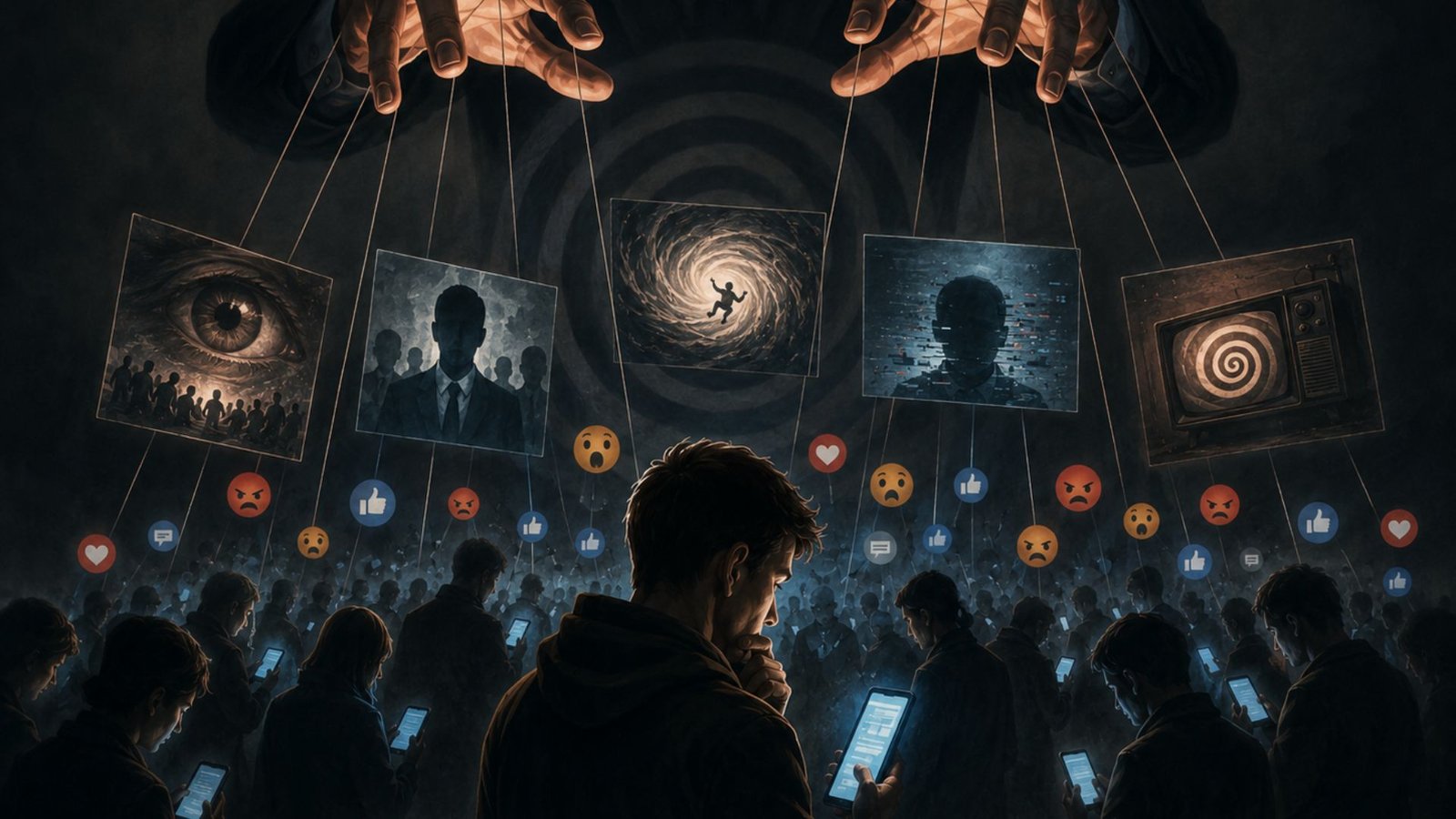
Fakes as a New Form of Pressure: Why People Are Manipulated Before They Have Time to Understand the Truth
A fake is usually understood as false information. It may seem that the problem begins when a person believes something untrue and ends when that falsehood is exposed. However, the modern…
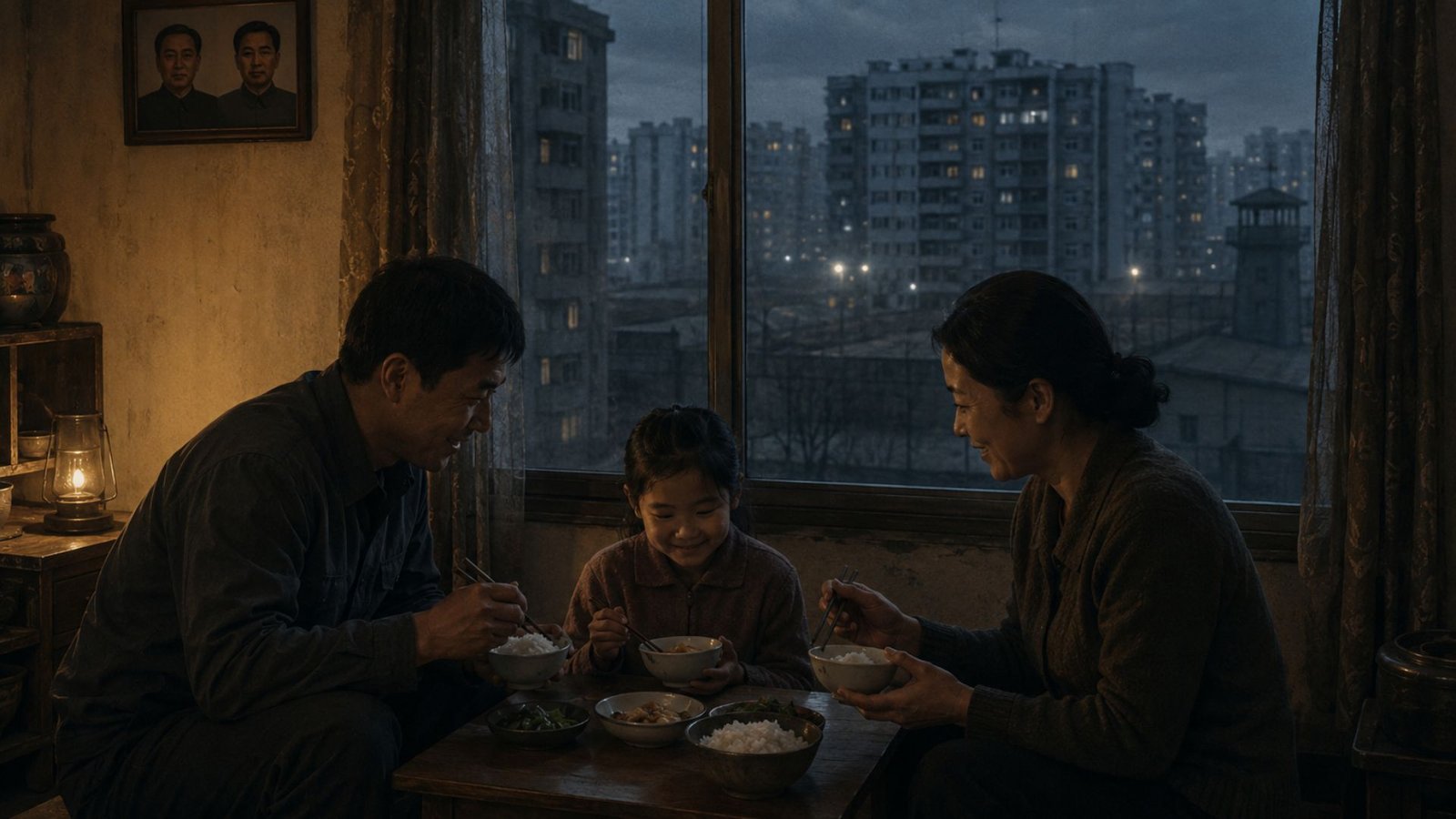
Are the People of North Korea Happy?
Do you think the people of North Korea are happy? At first glance, the answer seems obvious. We look at North Korea from the…
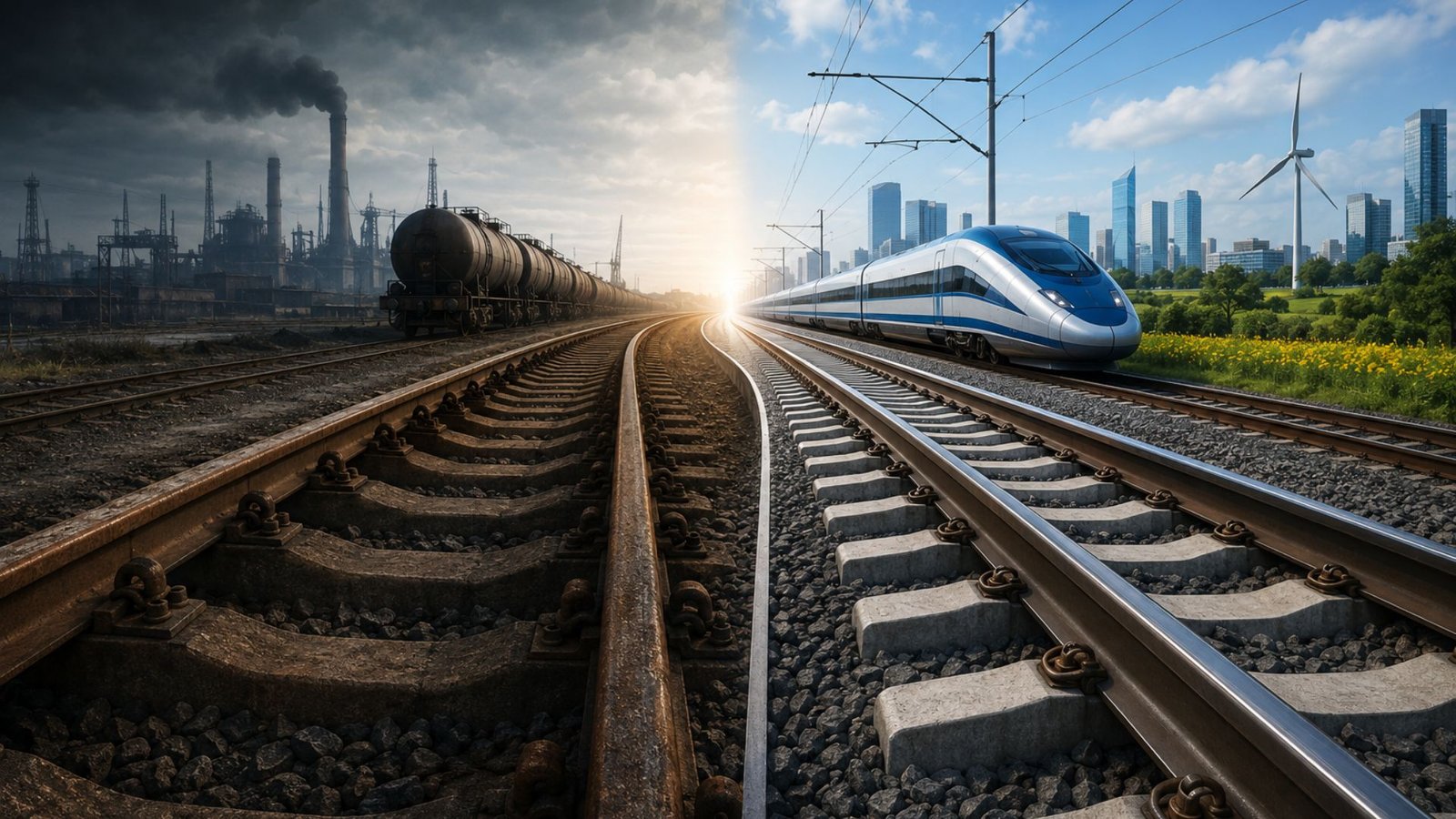
The European Gauge as the Final Exit from the Old System
Why the Baltic States, after Returning to Europe, Remained on a Different Gauge After the restoration of independence, Estonia,…
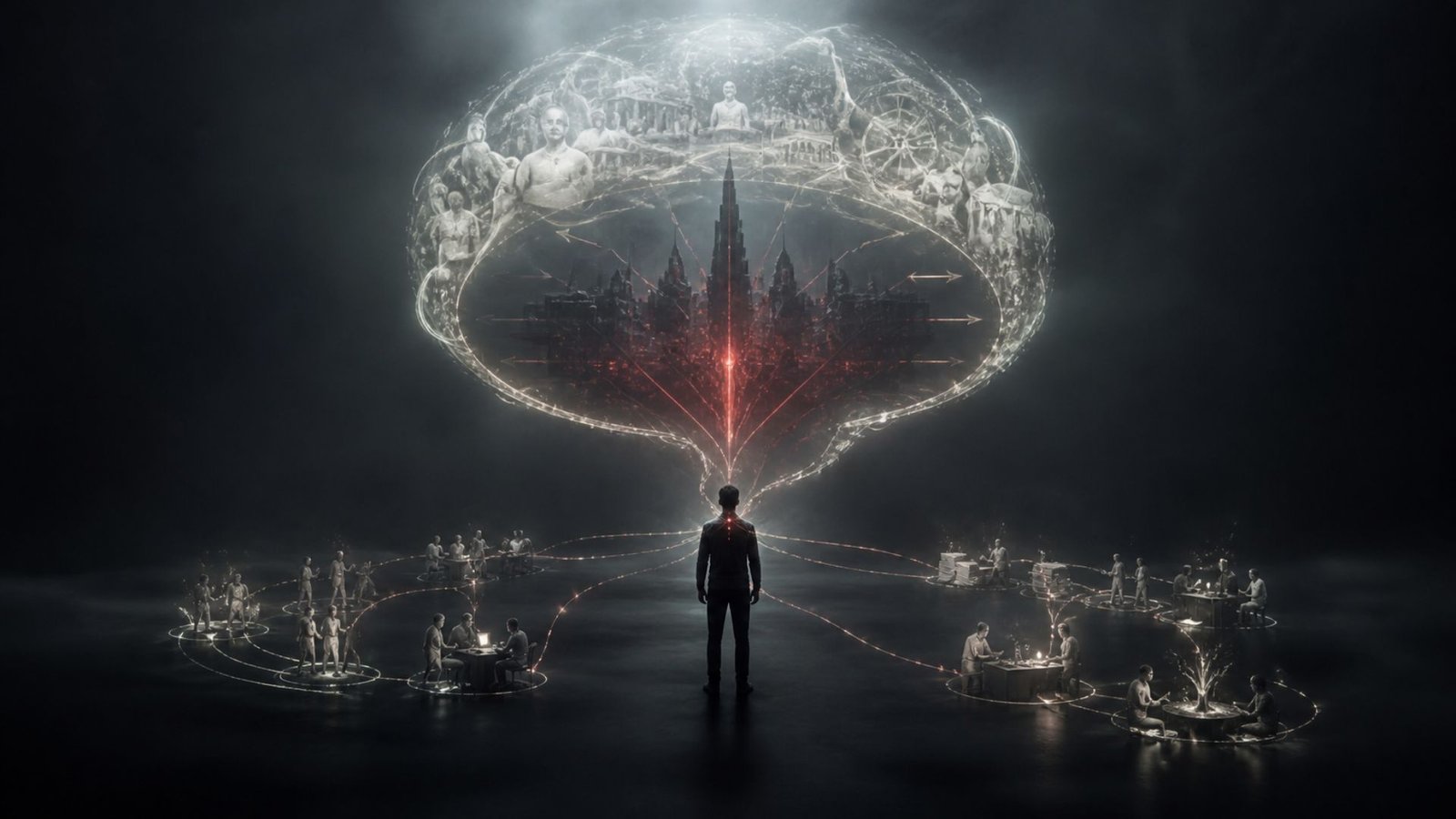
How double-meaning deception affects personality
A word can be an instrument of power The most dangerous deception does not always begin with a direct lie. Sometimes it begins…

Why the EU Needs an Army
The EU needs an army not because Europe simply has to add one more military structure next to national armies and NATO. It needs…

State Capitalism: An Alternative Model, Structure of Power and Long-Term Risks
The State as a Market Participant State capitalism is a system in which the state acts not only as a regulator, but also as an…
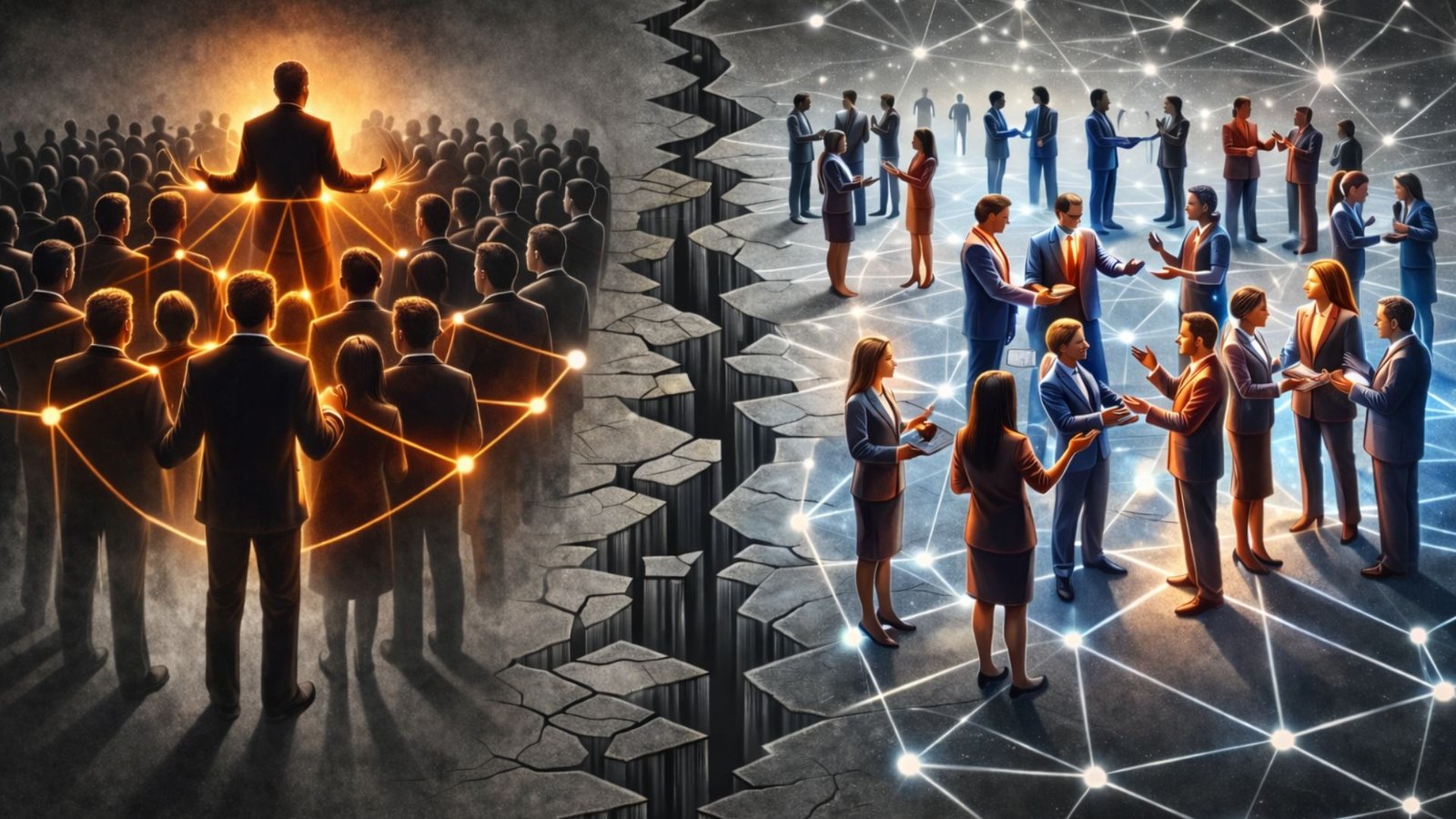
The world has never been divided by ideologies. It has always been divided by systems of governance.
Throughout the 20th century, global conflicts were explained through ideologies. Democracy versus fascism. Capitalism versus…
When does personality become the center of the system?
“ Personality ” becomes the center of the system not at the moment of its existence, but at the moment when the movement of the entire system begins to depend on its state, reaction, behavior and choice.
What is demand?
Demand in the modern economy is the fixed expression of a person’s choice that directs the movement of money within the system.
What is a product in the modern economy?
A product in the modern economy represents the result that emerges as a response to formed demand and fixes the realization of the personality’s choice through behavior.
What is choice in economics?
Choice in economics represents the moment in which the individual fixes one specific action out of many possible options, turning behavior into a definite decision.
What is behavior in economics?
Behavior in the economy represents a key mechanism through which the individual transforms their preferences, values, and motivations into real economic actions.
What is influence in behavioral economics?
Influence in the economy plays a key role because it affects the individual and, through them, shapes behavior. By changing perception, preferences, and motivation, influence determines what decisions a person makes, what demand is formed, and how money moves within the economic system.
What is Personality in the economy?
« Personality » in economics is the starting point and the main driving force of the entire economic system.
SUPPORT THE PROJECT
MediaIEU regularly publishes analytical materials, forecasts and reports through the Basic Law of Political Economy.
Basic support helps us publish new materials, create translations and develop the project.