Forecasts
Forecasts based on behavior,
society’s choice, demand, money
and the movement of systems
Personality → Behavior → Choice → Demand → Money
The “Forecasts” section presents MediaIEU materials ( Go directly to the forecasts ) about events and changes that may occur in the future. We analyse decisions made by individuals, companies and states, as well as changes in behaviour, choice, demand and the movement of money, in order to understand the consequences they may produce.
A forecast is not a guess about the future
The future does not emerge suddenly. It is shaped by the decisions being made today. Human behaviour changes, choice changes with it, new demand develops, money is directed towards new areas — and the system itself gradually changes.
MediaIEU forecasts show a possible direction in which events may develop if existing conditions remain unchanged. We do not claim that there is only one possible future. Decisions made by individuals, new laws, economic changes or unexpected events can alter the direction of development. Therefore, what matters is not only the final conclusion, but also the reasons on which it is based.
Some of the forecasts are based on the model developed by Iv.Spolan — The Fundamental Law of Political Economy. It helps reveal the sequence: Personality → Behaviour → Choice → Demand → Money. Once Money enters the system, it creates the Form of the System, which then influences Demand, Choice, Behaviour and Personality again.
Learn to recognise changes earlier
You can also learn to analyse what is happening and recognise possible consequences before they become obvious to most people. To do this, you need to understand why human behaviour changes, how demand is formed, where money is directed and what Form of the System it creates.
MediaIEU lectures help you acquire the necessary knowledge, while systemic diagnostic tests help reveal how these changes manifest themselves in the lives of individuals, families, companies and states. The earlier you recognise the direction in which events are moving, the more time you have to make a decision.

Andrey Melnichenko proposes saving Russia. But people’s freedom begins with the collapse of the empire
On 9 July 2026, The Economist published a major interview with Russian billionaire Andrey Melnichenko, prepared after roughly 60 hours of conversations, as well as his by-invitation article “Why a…
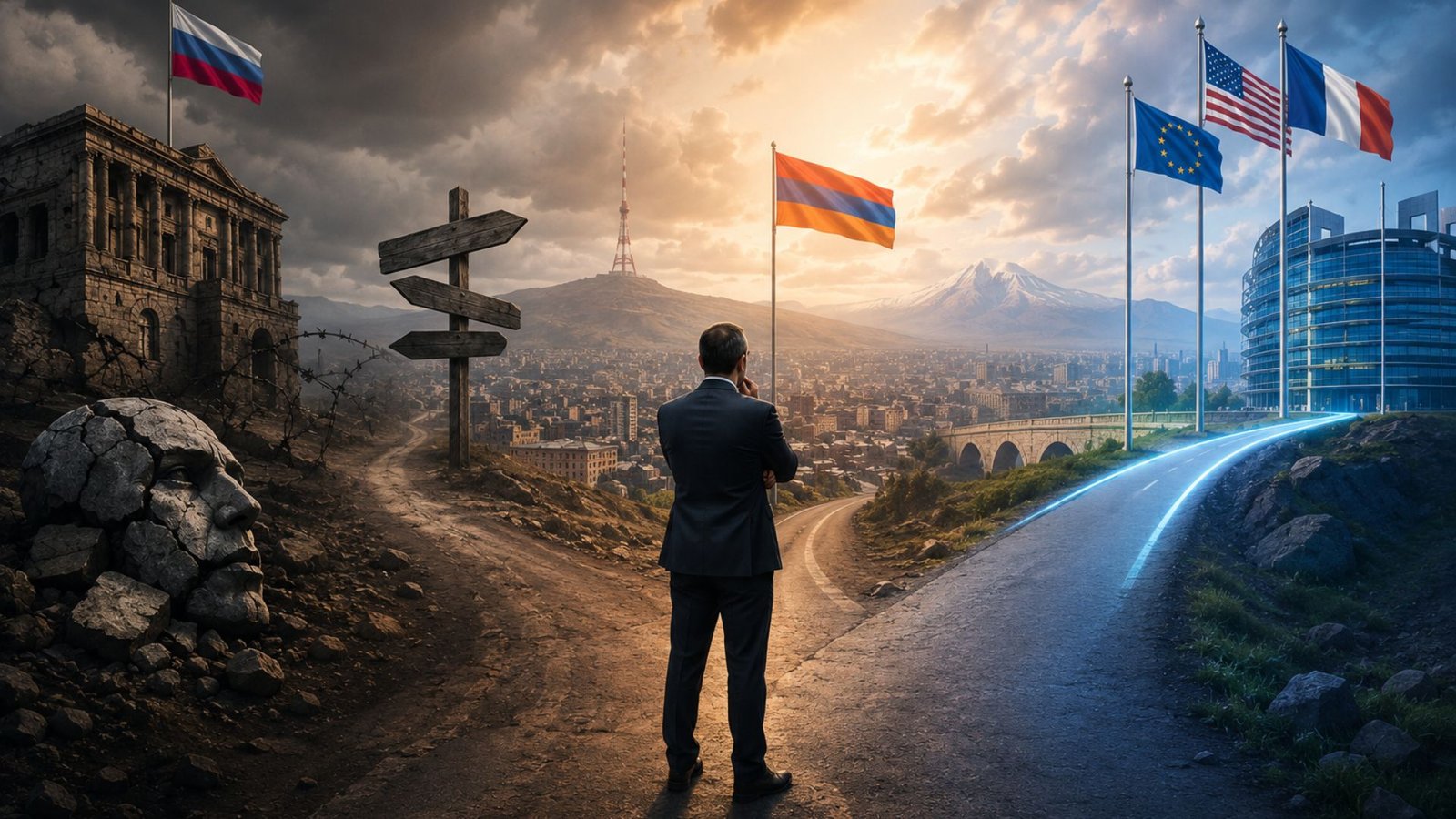
Armenia 2026: elections between Pashinyan, the old system and a new foreign policy course
On 7 June 2026, parliamentary elections will be held in Armenia. All seats in the National Assembly will be elected. These…
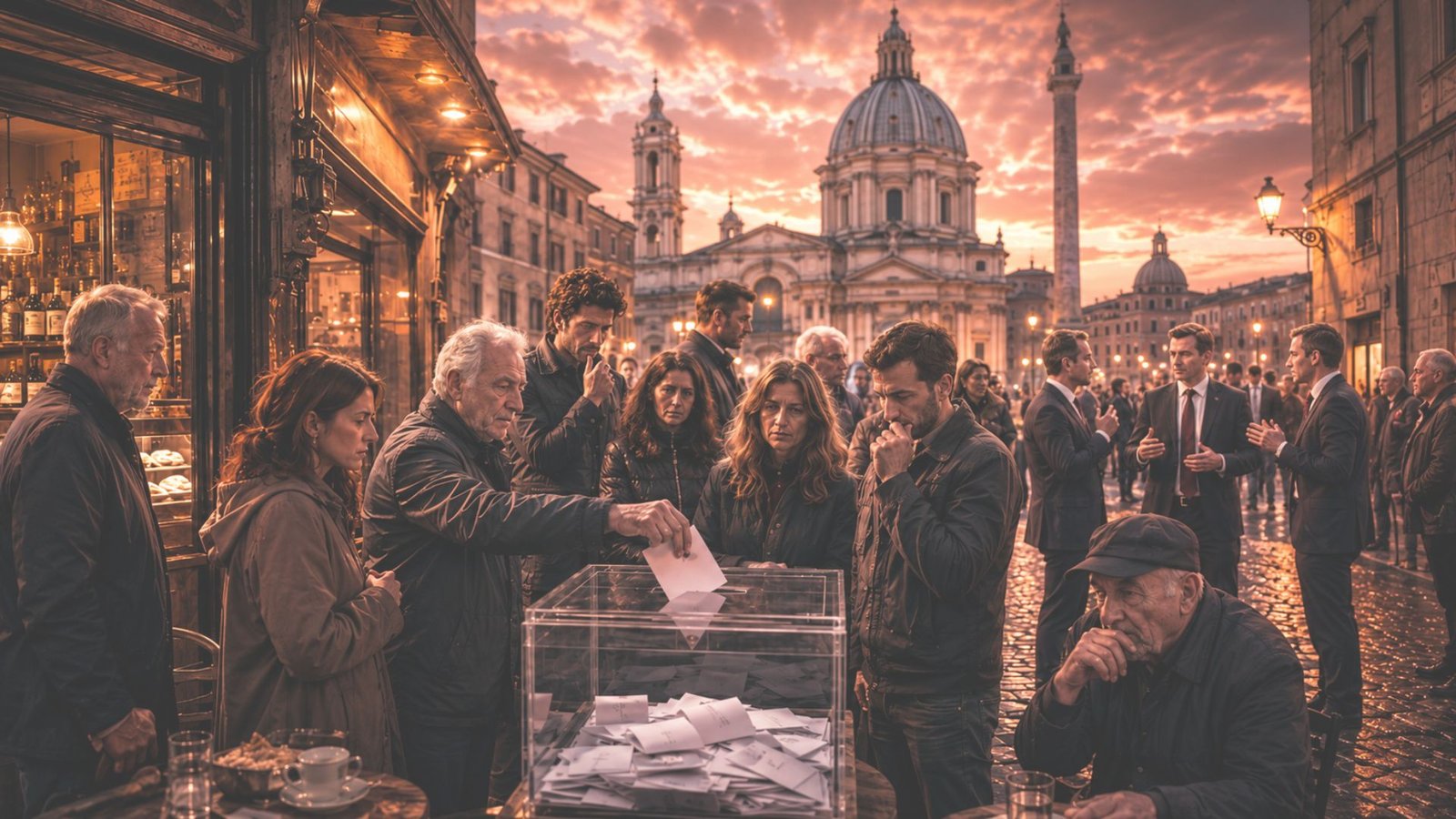
Italy 2026: elections as a test for the right, the cash economy, and a new conflict over freedom
At the end of May 2026, Italy is not holding parliamentary elections. This must be made clear from the beginning in order not to…
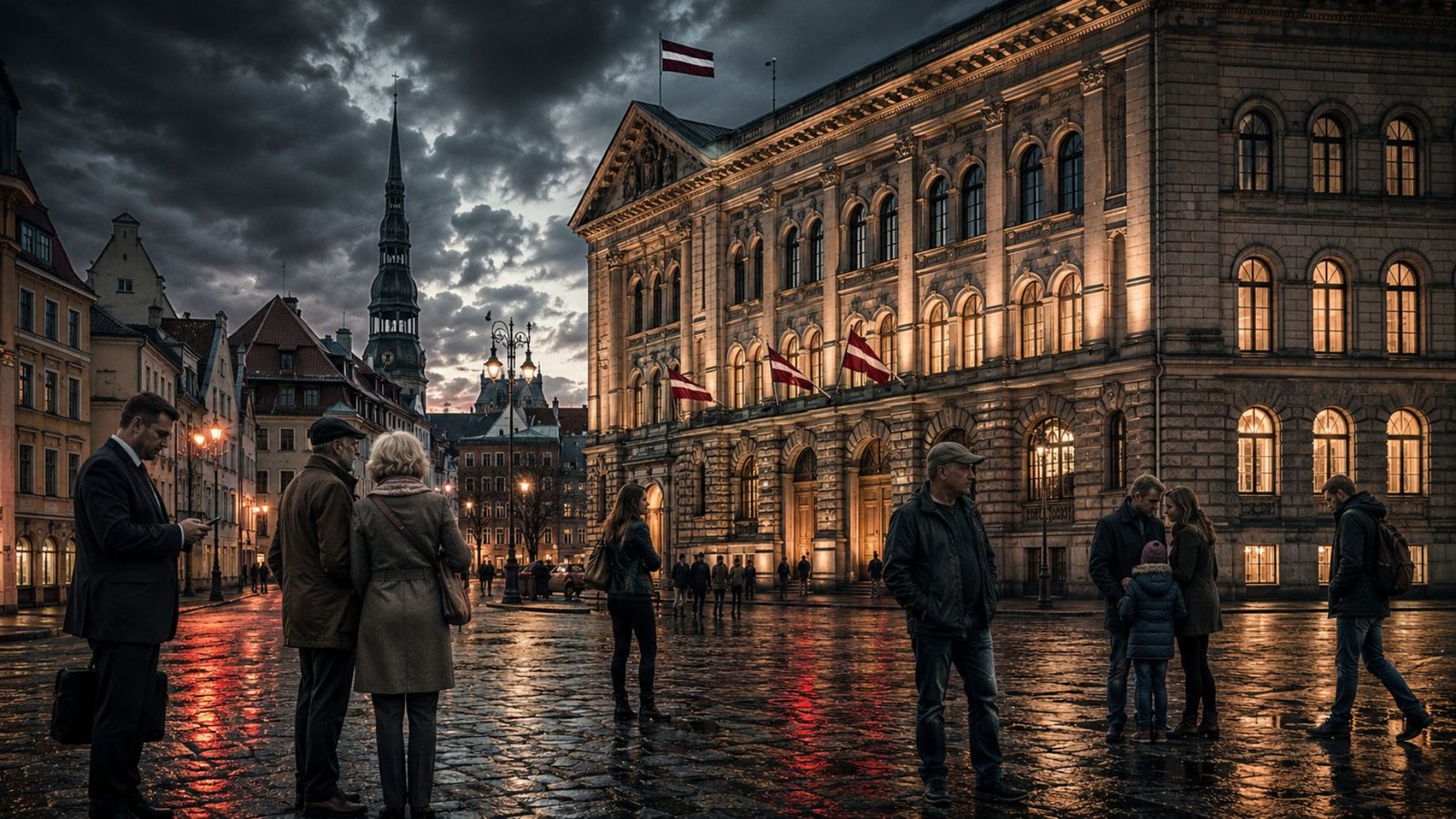
Elections in Latvia 2026: A Small State Between Security and Protest
On October 3, 2026, Latvia will hold elections to the 15th Saeima. One hundred members of parliament will be elected. Voting in…
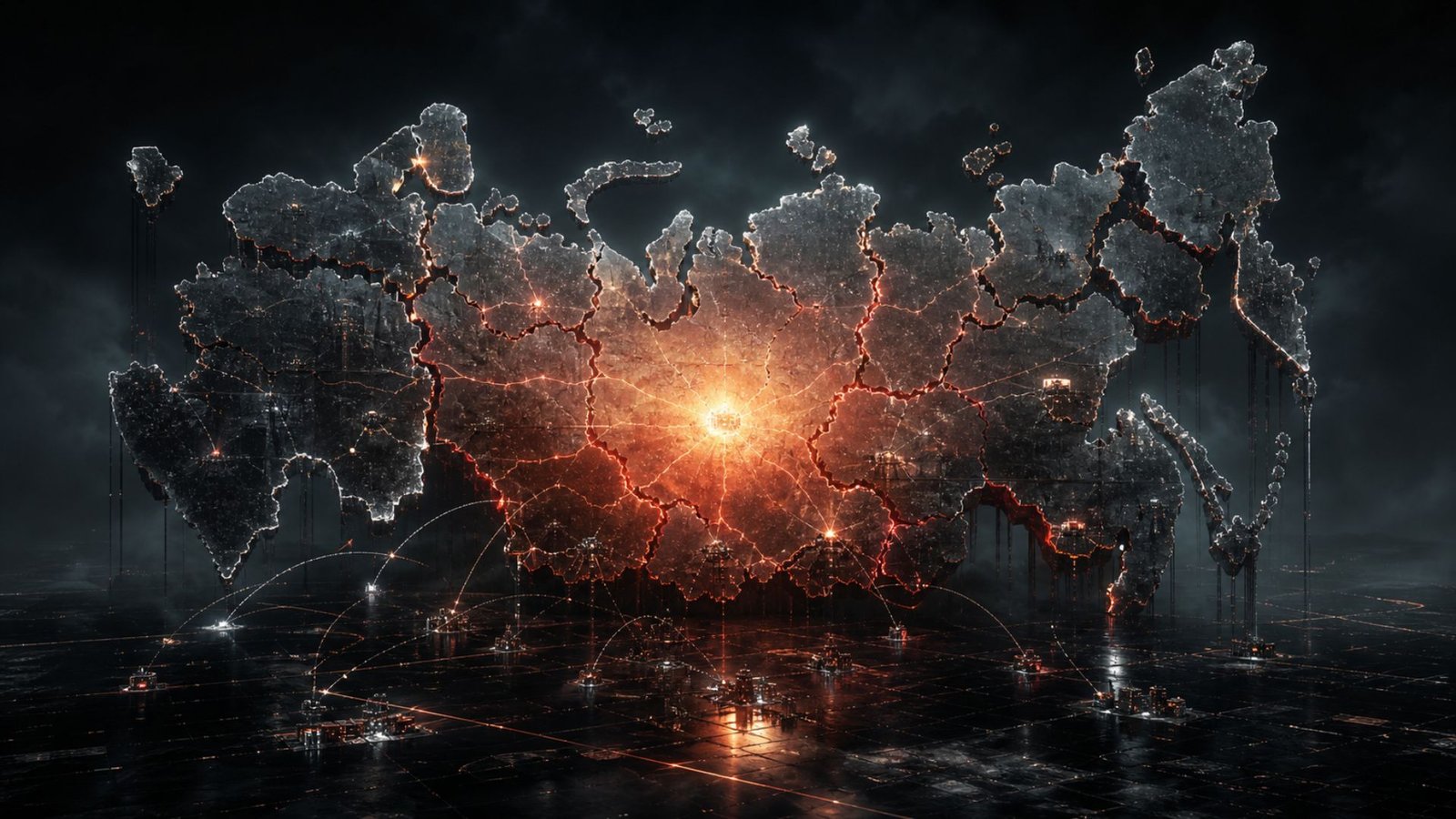
Russia has already entered the process of internal disintegration
The Main Twenty-Year Forecast Through the Basic Law of Political Economy Russia will not necessarily collapse at one single…
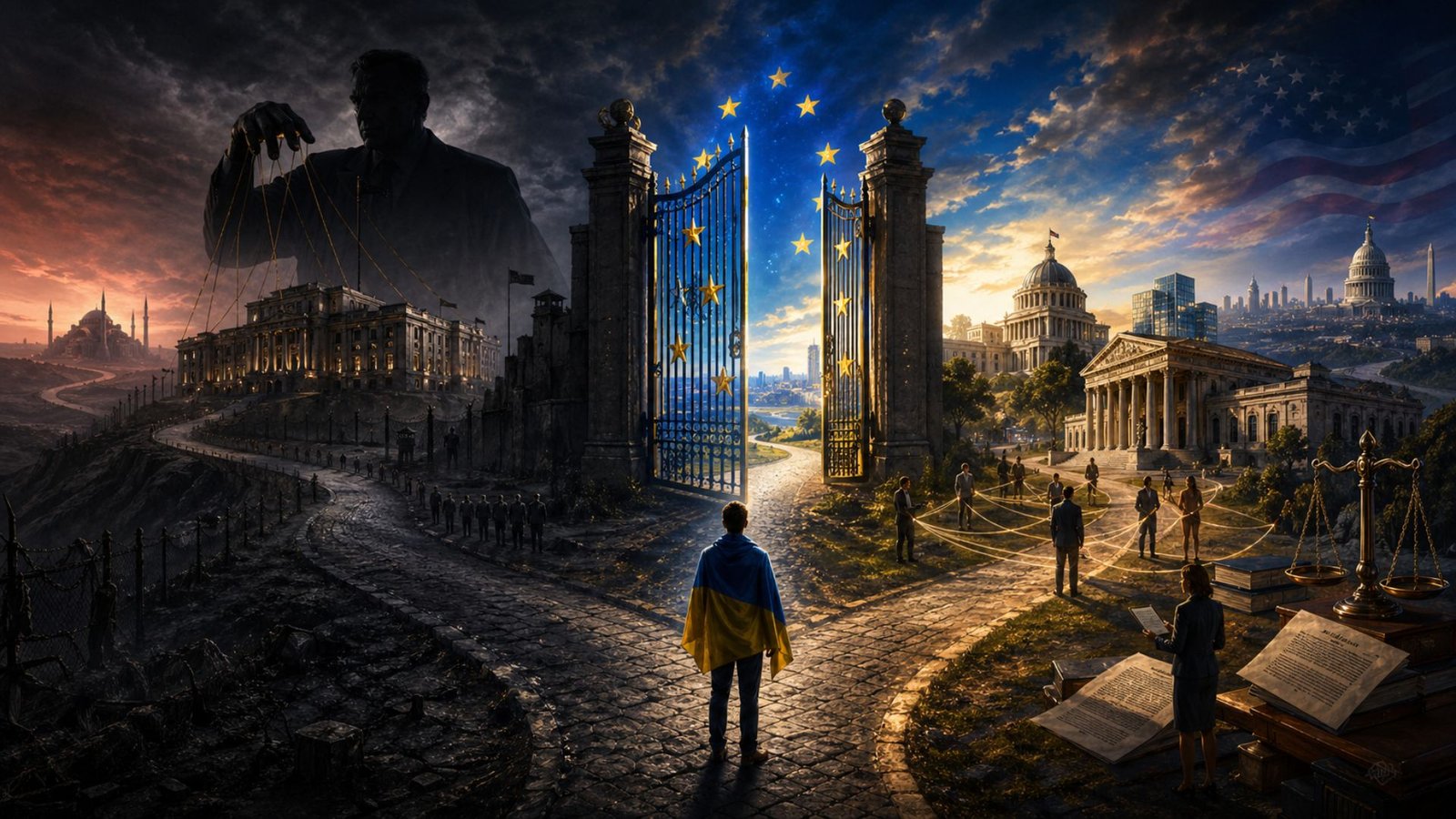
Ukraine, Turkey and the European Union: Why Ukraine Will Not Join in the Near Future…
Surface analysis does not reveal the mechanics of the system The question of Ukraine’s accession to the European Union is…
When does personality become the center of the system?
“ Personality ” becomes the center of the system not at the moment of its existence, but at the moment when the movement of the entire system begins to depend on its state, reaction, behavior and choice.
What is demand?
Demand in the modern economy is the fixed expression of a person’s choice that directs the movement of money within the system.
What is a product in the modern economy?
A product in the modern economy represents the result that emerges as a response to formed demand and fixes the realization of the personality’s choice through behavior.
What is choice in economics?
Choice in economics represents the moment in which the individual fixes one specific action out of many possible options, turning behavior into a definite decision.
What is behavior in economics?
Behavior in the economy represents a key mechanism through which the individual transforms their preferences, values, and motivations into real economic actions.
What is influence in behavioral economics?
Influence in the economy plays a key role because it affects the individual and, through them, shapes behavior. By changing perception, preferences, and motivation, influence determines what decisions a person makes, what demand is formed, and how money moves within the economic system.
What is Personality in the economy?
« Personality » in economics is the starting point and the main driving force of the entire economic system.
SUPPORT THE PROJECT
MediaIEU regularly publishes analytical materials, forecasts and reports through the Basic Law of Political Economy.
Basic support helps us publish new materials, create translations and develop the project.